
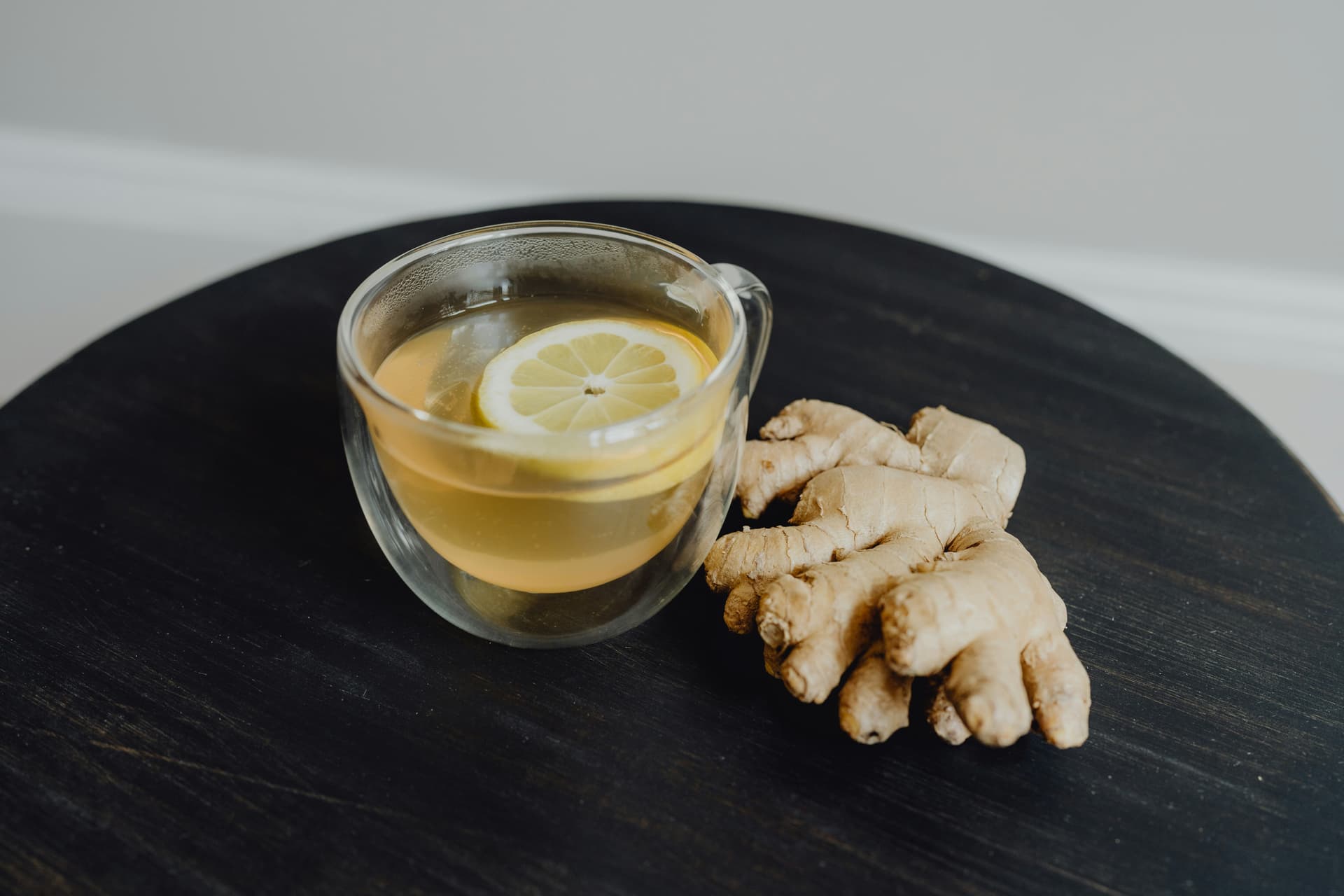
Ginger tea benefits and a recipe you can adjust
Fresh ginger makes a fragrant, peppery drink with just water and a saucepan. Here is a two-cup method, useful flavour adjustments and an honest look at the evidence.
Quick answer: To make two small cups of ginger tea, gently simmer 10 g thinly sliced fresh ginger in 600 ml water for 10 minutes, then strain. Ginger research suggests possible benefit for pregnancy-related nausea, but most studies tested supplements and do not establish an effective dose of homemade tea.
Key takeaways
- Weigh fresh ginger: a thumb-sized piece is not a consistent measure.
- Adjust heat with ginger quantity and simmering time.
- Treat nausea evidence as preparation-specific; a recipe is not a treatment dose.
What ginger tea can realistically offer
Ginger tea brings peppery warmth without coffee or tea leaves. Plain fresh ginger and water make a caffeine-free infusion; packaged blends may also contain black or green tea, so read the ingredient list. Choose the drink because you like it and can tolerate it, rather than because a stronger burn seems more medicinal.
NCCIH's ginger summary says most nausea studies used supplements, with some support for pregnancy-related nausea. Evidence is uncertain for nausea after surgery or chemotherapy, and most motion-sickness studies have not found benefit.
Those findings cannot establish how much fresh ginger to simmer or how quickly your tea will work. Fresh slices, dried powder and standardised supplements differ. If you prefer a smaller, sharper drink, our ginger-shot guide explains another preparation with the same evidence distinction.
Fresh ginger tea recipe: two small cups
Allow about 15 minutes including preparation. You will need a small saucepan with a lid, a knife, a measuring jug and a fine sieve. The finished yield is approximately 500 ml, depending on evaporation; divide it between two heat-safe cups.
Choose firm ginger and scrub it under running water. Peeling is optional when the skin is clean and thin. Slice across the fibres into pieces around 2 mm thick. Thin slices expose more surface than a thick chunk and are easier to strain than grated pulp.
| Ingredient | Amount | Purpose or adjustment |
|---|---|---|
| Fresh ginger | 10 g | Use 5 g for a milder first batch. |
| Water | 600 ml | Some evaporates during simmering. |
| Lemon juice, optional | 5 ml per cup | Add after straining; leave out if too sharp. |
| Honey or sugar, optional | ½ teaspoon per cup | Taste the plain infusion before adding. |
1. Simmer gently
Put the ginger and water in the saucepan. Bring just to a boil, lower the heat and partly cover. Simmer for 10 minutes with small bubbles rather than a vigorous rolling boil. Keep an eye on the water level; a wide pan loses water faster than a narrow one.
2. Strain and check the volume
Pour through the sieve into the measuring jug. Add a little freshly boiled water if the yield is below 500 ml. Stir, divide between the cups and let the drink cool enough to taste comfortably. Remove the ginger even if you plan to drink slowly.
3. Finish to taste
Taste before adding lemon or sweetener. Stir in either optional addition a little at a time. If the ginger catches in your throat, dilute your cup with 50–100 ml water. More heat is not a sign that the drink will work better for symptoms.
Adjust the flavour without guessing
Change only one part of the recipe at a time. For a gentler batch, keep the same water and reduce ginger to 5 g. For more ginger flavour, try 15 g with the same 10-minute simmer. These are culinary variations, not escalating health doses.
Grating makes straining messier and can give a more assertive result, so slices are a useful starting point. Ground ginger leaves sediment and tastes different; it is not an exact spoon-for-spoon replacement. A commercial ginger tea bag is another option: follow its directions and check whether ginger is the only ingredient.
For a spiced green tea instead, see our kahwa recipe. If you add green tea leaves to this ginger infusion, remove the saucepan from the heat and let the water cool before steeping; the green tea brewing guide explains timing and caffeine.
Nausea needs a plan beyond a mug
The NHS morning-sickness guidance includes ginger foods and drinks among options for mild symptoms. It also recommends small, frequent sips of fluid. A tolerable drink can be useful, but persistent vomiting deserves care even if you are trying ginger.
If pregnant, contact your maternity team or a clinician if vomiting accompanies dark urine, no urination for more than eight hours, dizziness, weight loss, or inability to keep food or fluid down for 24 hours. Seek help sooner if you feel seriously unwell. These are reasons to assess hydration and treatment, not to brew a stronger batch.
Do not replace prescribed anti-nausea medicine with tea. If ginger smells or tastes unpleasant while you feel sick, choose another tolerated fluid rather than forcing it.
When ginger tea may not suit you
NCCIH lists heartburn, abdominal discomfort, diarrhoea and mouth or throat irritation among possible effects of oral ginger. If symptoms appear, stop and reassess. Lemon can make an already sharp drink less comfortable, so it is optional.
If you take medication or are considering frequent, concentrated ginger preparations during pregnancy, discuss that pattern with your pharmacist or maternity team. Do not use this kitchen recipe to calculate a supplement dose or assume that a concentrated product has the same safety profile.
A useful next read
Sources & further reading
Sources support the guidance noted below. Recipe combinations and texture suggestions are editorial starting points.
- NCCIH: Ginger
Most nausea studies tested supplements; evidence limits and possible adverse effects of oral ginger.
- NHS: Vomiting and Morning Sickness
Practical options for pregnancy nausea and symptoms that require clinical advice; not a validation of this recipe.
Frequently asked questions
There is no need to. Choose a time when the flavour feels comfortable. If it repeatedly causes burning or nausea, stop drinking it rather than trying to push through.
Keep reading
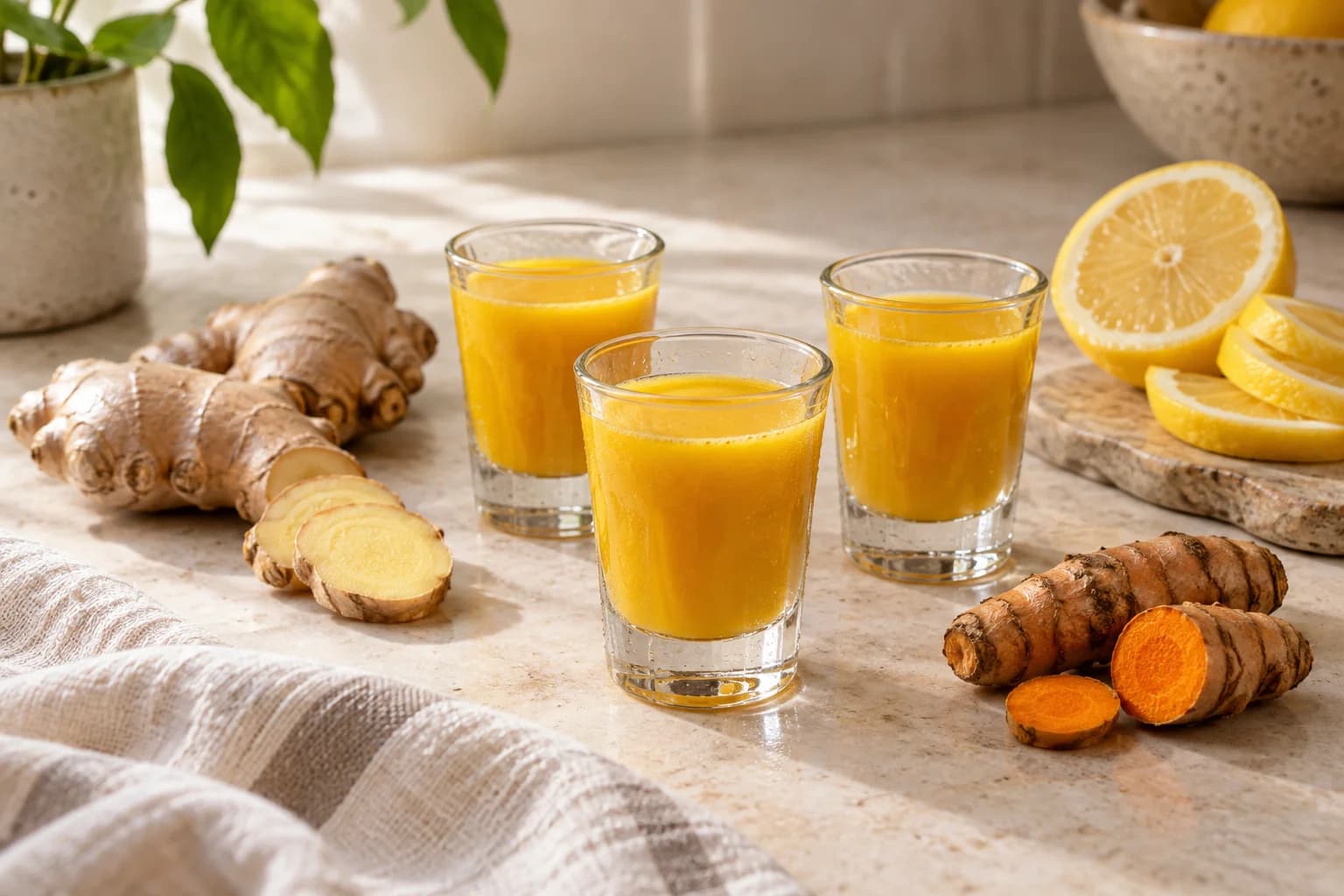 🫚 Wellness ShotsComplete guide
Sep 30, 2026 · 3 min read
Ginger Shots: Benefits, Limits and a Blender Recipe
Fresh ginger, lemon and a little water make a sharp, bright drink. Here is how to enjoy the flavour without confusing a homemade shot with a studied supplement.
 🍵 Tea & Drinks
Oct 10, 2026 · 5 min read
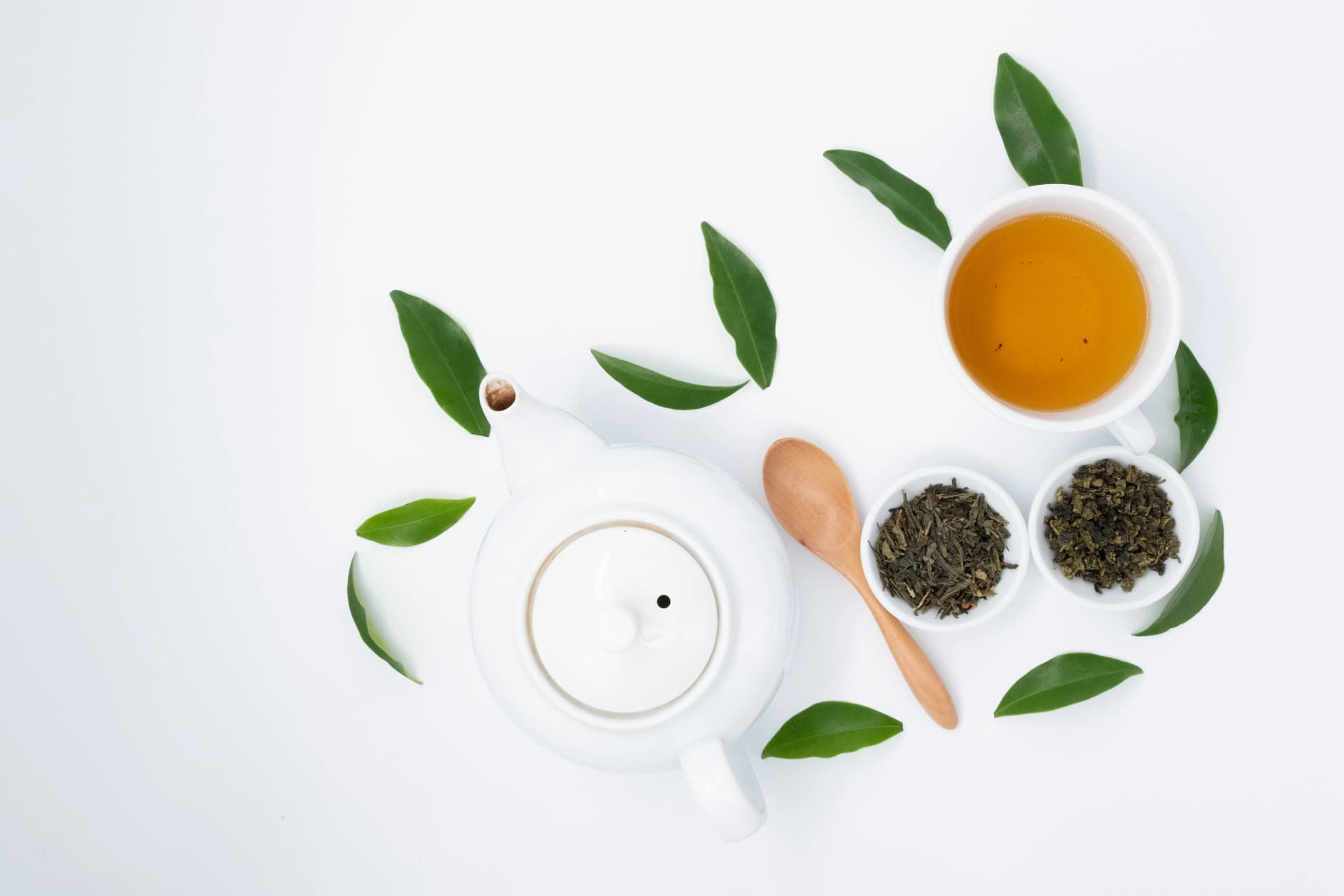
Green Tea Benefits and Risks: A Practical Brewing Guide
Green tea can be an enjoyable everyday drink. Choose it for its flavour and usefulness in your routine, with realistic expectations about what a cup can do.
 🍵 Tea & Drinks
Oct 10, 2026 · 5 min read
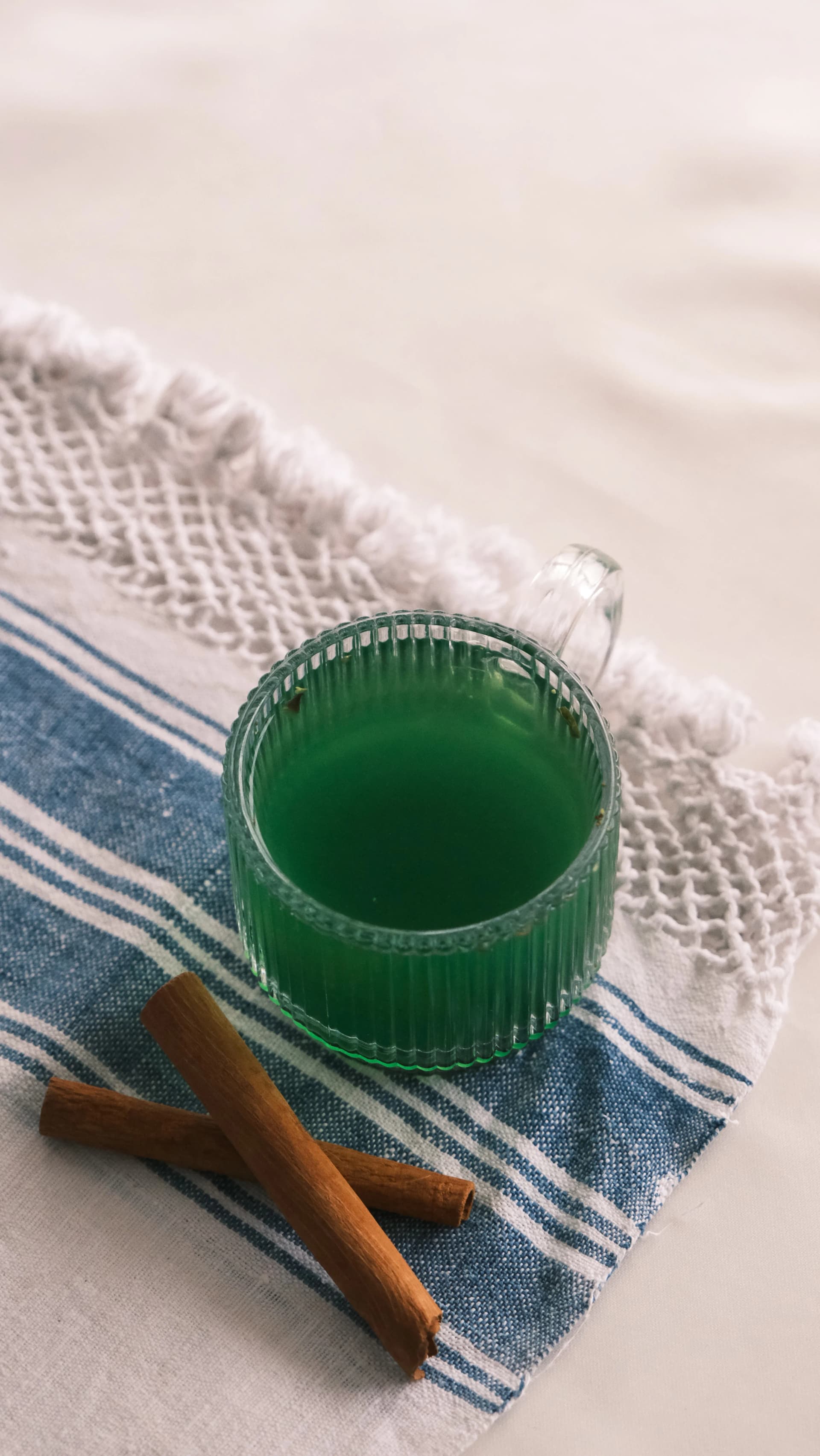
Kahwa Tea Recipe: A Kashmir-Inspired Green Tea
Cardamom, cinnamon and a few saffron strands give this green tea its character. Simmer the spices first, then steep the leaves briefly for a fragrant, balanced cup.