
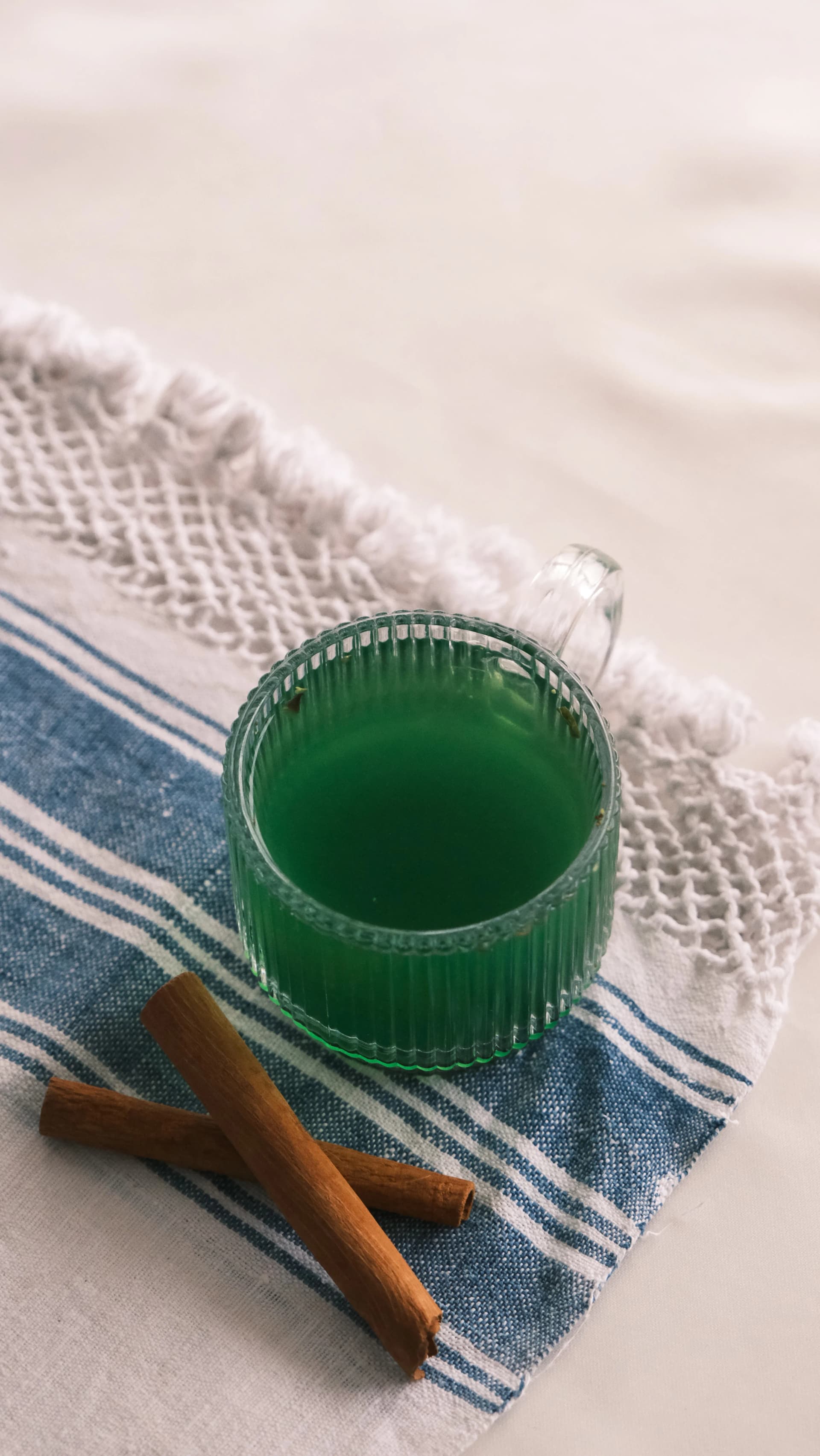
Kahwa tea recipe: a Kashmir-inspired cup with saffron
Cardamom, cinnamon and a few saffron strands give this green tea its character. Simmer the spices first, then steep the leaves briefly for a fragrant, balanced cup.
Quick answer: For this Kashmir-inspired kahwa, simmer cardamom and cinnamon, cool to about 80°C, then steep green tea with bloomed saffron for two minutes. Strain and serve with optional almonds. This variation makes two small cups.
Key takeaways
- Build the spice infusion before adding green tea leaves.
- Keep saffron subtle and adjust sweetness after brewing.
- This recipe is inspired by Kashmiri kahwa; proportions and household traditions vary.
What is kahwa, and which version is this?
Kahwa is associated with Kashmir's tea traditions. Incredible India's guide to Srinagar describes a green tea preparation with cardamom, cinnamon, saffron and almonds, traditionally made in a samovar. That identifies the drink; it does not establish one required recipe for every household.
This Kashmir-inspired variation uses a saucepan and a short tea infusion. Its quantities and directions are editorial choices, not a universal regional or family method.
Arabic coffee, often called qahwa, is a different beverage made from coffee beans. UNESCO's account of Arabic coffee traditions documents that separate practice. Similar spellings on a menu are a reason to check the ingredients rather than assume you are ordering green tea.
Ingredients for two small cups
Allow about 15–20 minutes. You will need a small saucepan, a fine sieve, a measuring jug and two heat-safe cups. A thermometer helps protect the green tea from overly hot water. Aim for approximately 500 ml finished tea.
Use plain loose green tea so the spices remain distinct. Whole cardamom and cinnamon are easier to remove than powders. Choose saffron sold for culinary use; you need only a few strands for this small pot. The almonds are an optional garnish.
| Ingredient | Amount | Preparation |
|---|---|---|
| Water | 550 ml | Reserve 30 ml for blooming saffron. |
| Plain green tea | 3 g | Leaf size varies; weigh if possible. |
| Green cardamom | 3 pods | Crack gently to expose the seeds. |
| Cinnamon stick | One 3 cm piece | Use whole bark, not powder. |
| Saffron | 8–10 strands | Steep in the reserved hot water. |
| Slivered almonds, optional | 8 g total | Divide between the cups; omit for nut allergy. |
| Honey or sugar, optional | 1 teaspoon total | Add after tasting; use less if preferred. |
How to make this kahwa
The sequence gives the firm spices time in hot water while keeping the green tea steep brief. Have the sieve and cups ready before adding the leaves so you can stop the infusion promptly.
1. Bloom the saffron
Heat the 550 ml water. Measure 30 ml into a small heat-safe bowl, add the saffron and leave it while you prepare the spice infusion. The water should gradually take on colour; there is no need to crush the strands into powder.
2. Simmer the whole spices
Put the remaining 520 ml water in the saucepan with the cracked cardamom and cinnamon. Bring to a gentle simmer and partly cover. Cook for five minutes, keeping small bubbles at the surface. Avoid reducing the water to a concentrated syrup.
3. Cool, then add the tea
Remove the saucepan from the heat. Let the spice water cool to about 80°C, checking with a thermometer if available. Add the green tea and all the saffron water. Cover and steep for two minutes. Follow a lower temperature on your tea packet if specified.
4. Strain and serve
Strain into the measuring jug immediately, removing leaves and whole spices. Top up to approximately 500 ml with hot water if evaporation has reduced the yield. Divide the almonds between the cups and pour over the tea. Taste, add optional sweetener and let it cool enough to sip.
Make useful adjustments to the next pot
If the tea is bitter or drying, try a shorter steep or cooler water next time. More honey can mask bitterness but does not correct the brewing step. Our green tea guide explains how leaf quantity, water and timing work together.
If cardamom overwhelms the cup, reduce it to two pods. If cinnamon dominates, use a shorter piece. A pale colour is not a problem to solve by adding lots of saffron: colour depends on ingredients and extraction, and is not a measure of health value.
Without saffron, make a cardamom-cinnamon green tea and expect a different aroma. Without almonds, serve the clear tea alone. For guests with a nut allergy, also check ingredient labels and avoid cross-contact with nuts during preparation.
To make four servings, double the ingredients and strain promptly into a jug. Do not double the simmering or steeping time. A larger pan may change evaporation, so check the final volume and keep the tea leaves out of any pot you plan to hold warm.
Serving, caffeine and health claims
This recipe contains green tea, so it contains caffeine. The amount depends on the leaves and preparation; the recipe cannot supply an exact caffeine figure. NHS pregnancy guidance sets a daily limit of 200 mg from all sources for pregnancy.
Serve a small cup with a snack or alongside breakfast because you enjoy its flavour. If you want a preparation without tea leaves, try our ginger tea recipe.
Spices in a culinary cup do not establish a treatment for inflammation or illness. A heritage food description is not a clinical study. Our guide to drinks and inflammation explains those evidence limits and why persistent swelling should not be managed with tea.
A useful next read
Sources & further reading
Sources support the guidance noted below. Recipe combinations and texture suggestions are editorial starting points.
- Incredible India: Vegetarian Dishes and Beverages in Srinagar
Identifies Kashmiri kehwa, familiar ingredients and the samovar; does not validate these proportions or health claims.
- UNESCO: Arabic Coffee, a Symbol of Generosity
Documents a separate coffee tradition; included to distinguish Arabic coffee from this green tea recipe.
- NHS: Foods to Avoid in Pregnancy
Caffeine guidance for pregnancy applies to the full day's intake.
Frequently asked questions
Yes. Use plain green tea bags totalling roughly 3 g of tea for this pot, checking the packet when a weight is given. Strain or remove the bags after the brief steep; flavoured blends will change the result.
Keep reading
 🍵 Tea & Drinks
Oct 10, 2026 · 5 min read
Green Tea Benefits and Risks: A Practical Brewing Guide
Green tea can be an enjoyable everyday drink. Choose it for its flavour and usefulness in your routine, with realistic expectations about what a cup can do.
 🍵 Tea & Drinks
Oct 10, 2026 · 5 min read
Ginger Tea Benefits and a Fresh Ginger Recipe
Fresh ginger makes a fragrant, peppery drink with just water and a saucepan. Here is a two-cup method, useful flavour adjustments and an honest look at the evidence.
🍵 Tea & DrinksOct 10, 2026 · 6 min read
Drinks for Inflammation: What the Evidence Actually Says
A cup of turmeric milk is food. A concentrated curcumin capsule is a different product. That distinction changes what you can reasonably expect from either.