
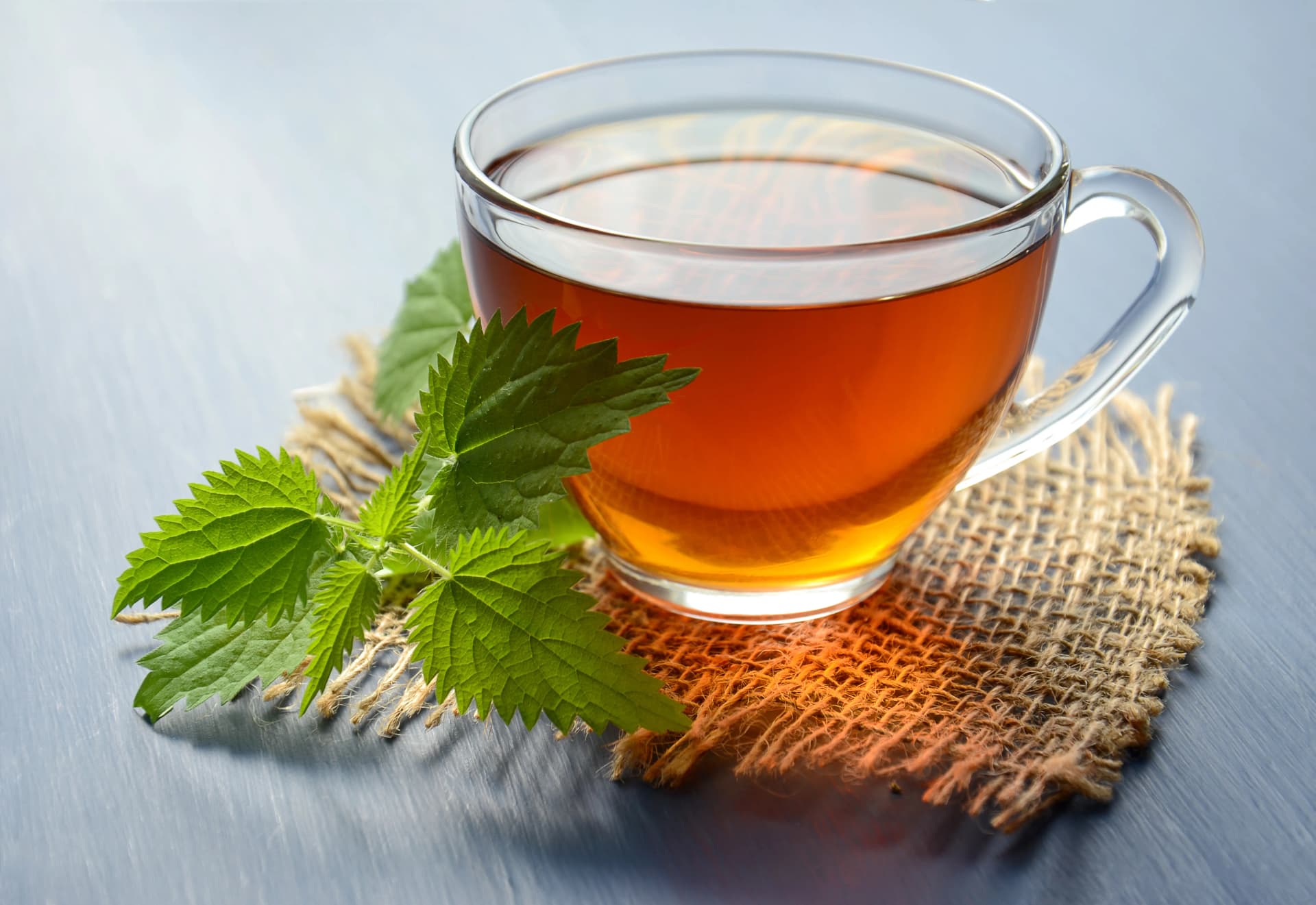
Peppermint tea for bloating: what the evidence supports
A minty cup may feel pleasant after a meal, but the best-known peppermint research is about oil capsules. Here is how to choose and brew tea without overreading those results.
Quick answer: There is not enough evidence to establish brewed peppermint tea as a treatment for bloating. Some studies support enteric-coated peppermint oil for IBS symptoms, but those results do not apply directly to tea. Mint can also worsen reflux in some people.
Key takeaways
- Peppermint leaf tea and enteric-coated oil capsules are different preparations.
- Bloating has several possible causes; symptom relief does not identify one.
- Skip mint if it brings on heartburn, and seek care for persistent or concerning symptoms.
Does peppermint tea help with bloating?
NCCIH's peppermint overview finds too little research on peppermint leaf to determine whether it helps a health condition. Limited evidence suggests enteric-coated oil capsules may improve overall IBS symptoms and abdominal pain in adults. The same benefit has not been established for a cup of tea.
An enteric coating changes where a capsule releases its contents. A leaf infusion has neither that delivery system nor a standardised oil dose. You cannot convert capsule research into a number of tea bags, and adding essential oil to water does not recreate the studied preparation.
You may still enjoy the aroma or find a warm drink comforting. Notice that experience without promising that peppermint removes trapped gas, reduces abdominal size within minutes or treats the reason you feel bloated.
Check whether the discomfort is bloating or reflux
Bloating often means fullness, pressure or a swollen-feeling abdomen. Reflux more often involves burning in the chest or acid coming back up. They can occur together, but a drink that seems appealing for one symptom may aggravate the other.
NIDDK identifies mint as a possible reflux trigger. If peppermint repeatedly brings on burning or regurgitation, leave it out. Do not interpret that discomfort as a sign that the tea is working.
A caffeine-free alternative may be plain water or a mild fresh ginger infusion, although ginger can also cause heartburn. No herbal drink is automatically suitable for every digestive symptom.
Brew a modest cup of peppermint leaf tea
For one 250 ml serving, allow five to seven minutes. Choose food-grade peppermint leaf or a plain peppermint tea bag. Check the botanical name Mentha × piperita when available: supermarket fresh mint may be spearmint, which has a different flavour and should not inherit peppermint research claims.
Put the leaves or bag in a heat-safe mug, add freshly boiled water and cover with a saucer. Start with a five-minute steep, or follow the packet's directions. Strain well, let it cool to a comfortable temperature and taste before adding anything.
Keep the first cup plain so you know whether you like and tolerate the mint itself. If it is too intense, add 50 ml water. These quantities are flavour starting points, not a medicinal dose. Use leaves or tea bags, never drops of essential oil.
| Form | Starting amount | Kitchen note |
|---|---|---|
| Dried peppermint leaf | 1 level teaspoon, approximately 1 g | Loose leaves vary in density; use packet guidance if different. |
| Peppermint tea bag | 1 bag | Check for added tea leaves, liquorice or other herbs. |
| Fresh peppermint | 2 g washed leaves | Tear once or twice before steeping; weigh rather than count leaves. |
Look at the meal and the pattern, too
NIDDK's guidance on gas suggests eating slowly and considering habits such as fizzy drinks, gum or drinking through straws. Swapping a carbonated drink for still tea might change symptoms independently of peppermint.
Make a brief record of meals, drinks, bowel habits and when discomfort starts. Change one manageable habit at a time rather than removing several food groups at once. Include what you put in the tea: a sweetened mint drink with milk is a different experiment from a plain infusion.
If symptoms follow your morning blend, our gut-health smoothie guide can help you inspect ingredients, but its recipes are not treatments for unexplained bloating. A smaller portion or a different ingredient may suit you better than adding peppermint afterwards.
A useful record describes symptoms rather than judging your body: pressure after lunch, burning after mint, or discomfort alongside constipation. It gives a clinician more to work with than whether your waist looked flatter. For comparing everyday beverage options, see the healthy drinks guide.
When to get medical advice
The NHS bloating guidance recommends medical assessment when bloating keeps returning or does not settle, particularly with unexplained weight loss or blood in the stool. Do not keep rotating teas while those symptoms persist.
Seek urgent assessment for bloating with vomiting, fever or inability to pass stool or gas. Sudden severe abdominal pain, vomiting blood or major breathing difficulty needs emergency care. Use your local urgent or emergency service; a drink is not an appropriate first response.
For occasional mild discomfort without warning signs, a plain cup is an option if you enjoy it. If you notice no benefit, there is no reason to keep increasing the strength or number of cups.
Sources & further reading
Sources support the guidance noted below. Recipe combinations and texture suggestions are editorial starting points.
- NCCIH: Peppermint Oil
Distinguishes limited leaf evidence from oil-capsule studies; discusses tea safety and uncertainty about large amounts.
- NIDDK: Eating, Diet and Nutrition for GER and GERD
Mint and other foods may trigger reflux in susceptible people.
- NIDDK: Eating, Diet and Nutrition for Gas in the Digestive Tract
Eating habits and individual dietary triggers can affect gas symptoms.
- NHS: Bloating
Recurring symptoms, warning signs and when urgent or emergency assessment is needed.
Frequently asked questions
There is no evidence-based time to promise for brewed tea. Feeling better after a cup does not show which ingredient or change helped. Avoid products that guarantee a flat stomach in a set number of minutes.
Keep reading
 🍵 Tea & Drinks
Oct 10, 2026 · 5 min read
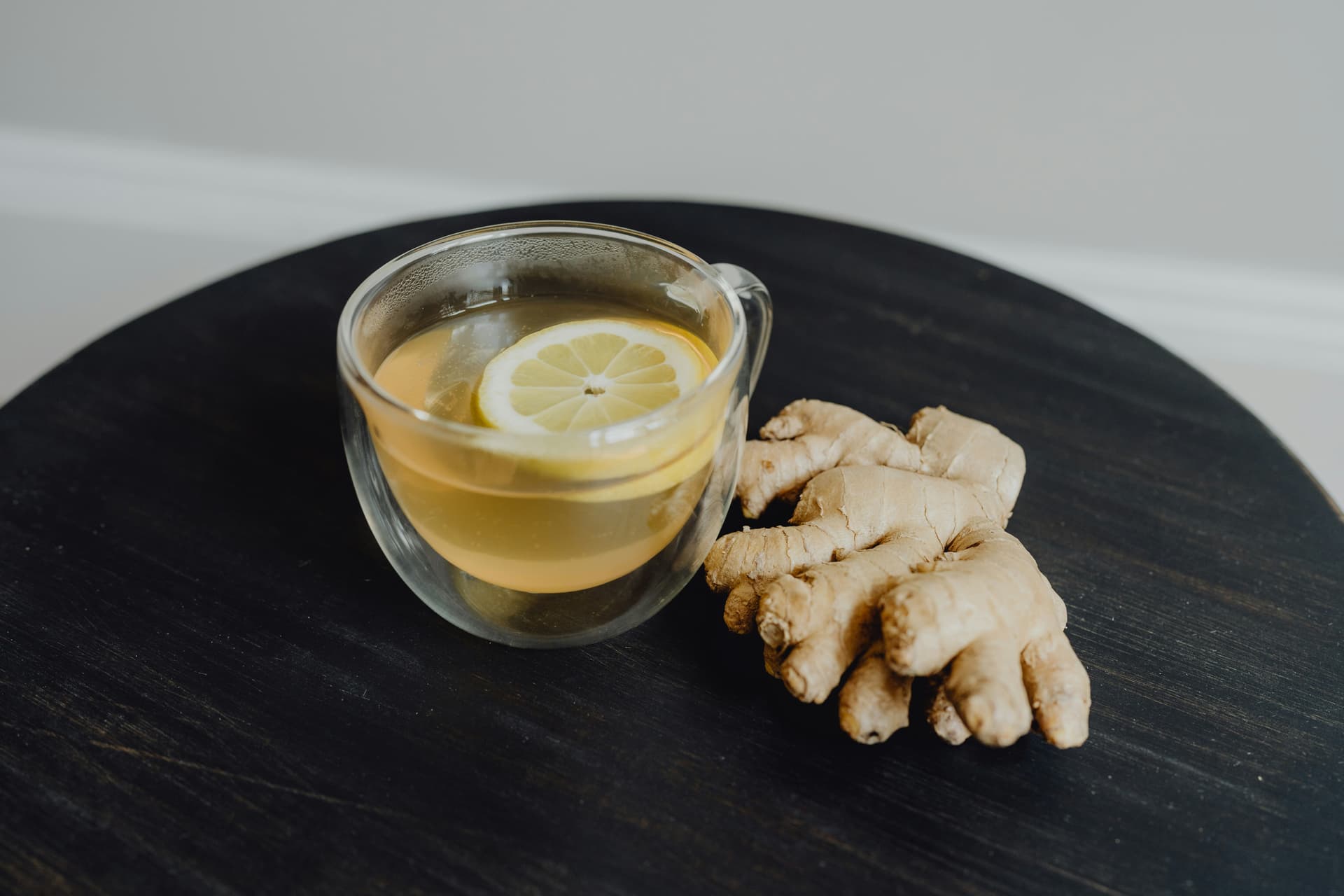
Ginger Tea Benefits and a Fresh Ginger Recipe
Fresh ginger makes a fragrant, peppery drink with just water and a saucepan. Here is a two-cup method, useful flavour adjustments and an honest look at the evidence.
 🫐 Kefir & FibreComplete guide
Sep 30, 2026 · 9 min read
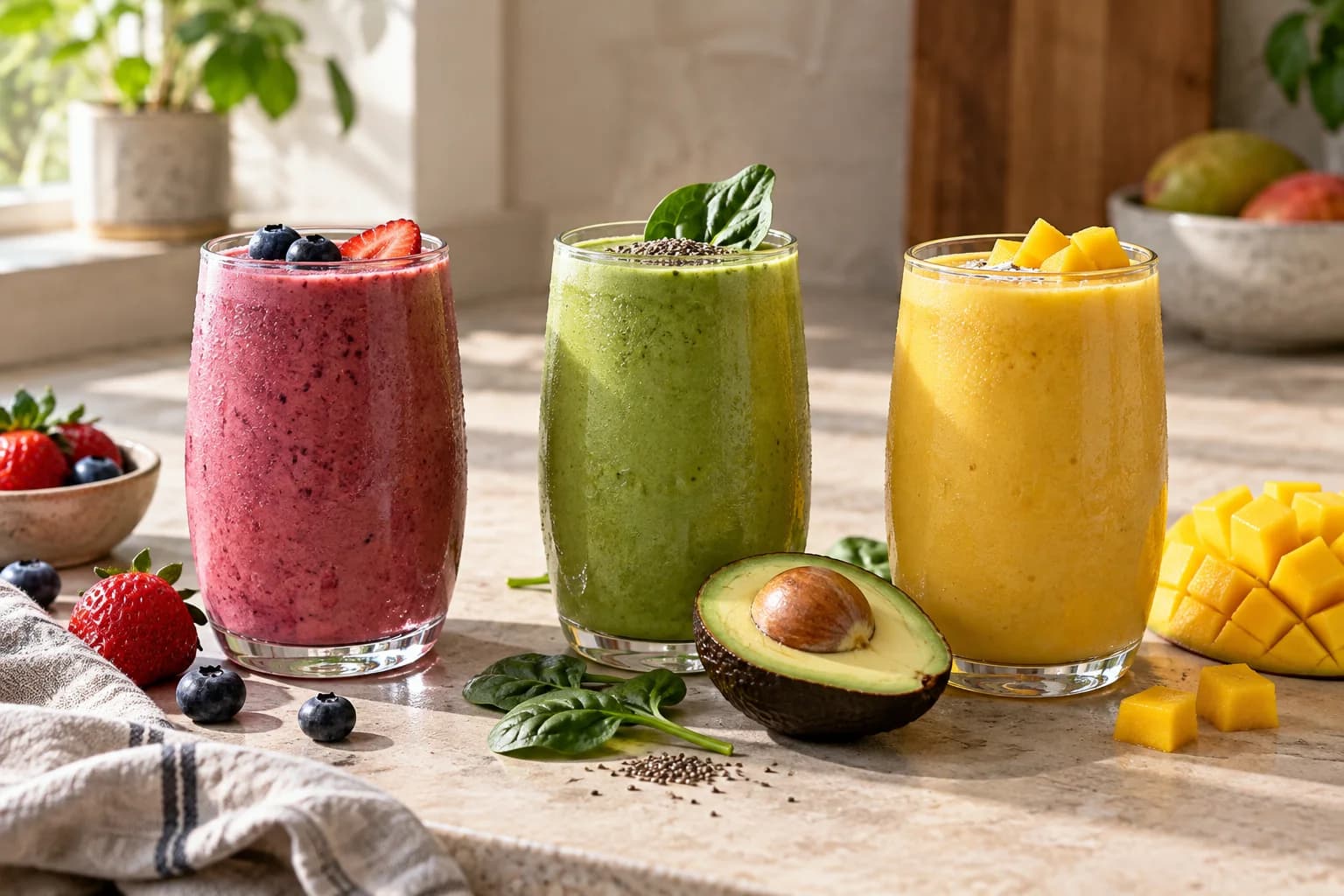
Gut Health Smoothies: 9 Recipes With Probiotics and Prebiotic Fiber
A good gut smoothie feeds the bacteria you have and adds new ones. Here is the probiotic plus prebiotic formula and nine recipes that follow it.
 🍵 Tea & DrinksComplete guide
Oct 10, 2026 · 6 min read
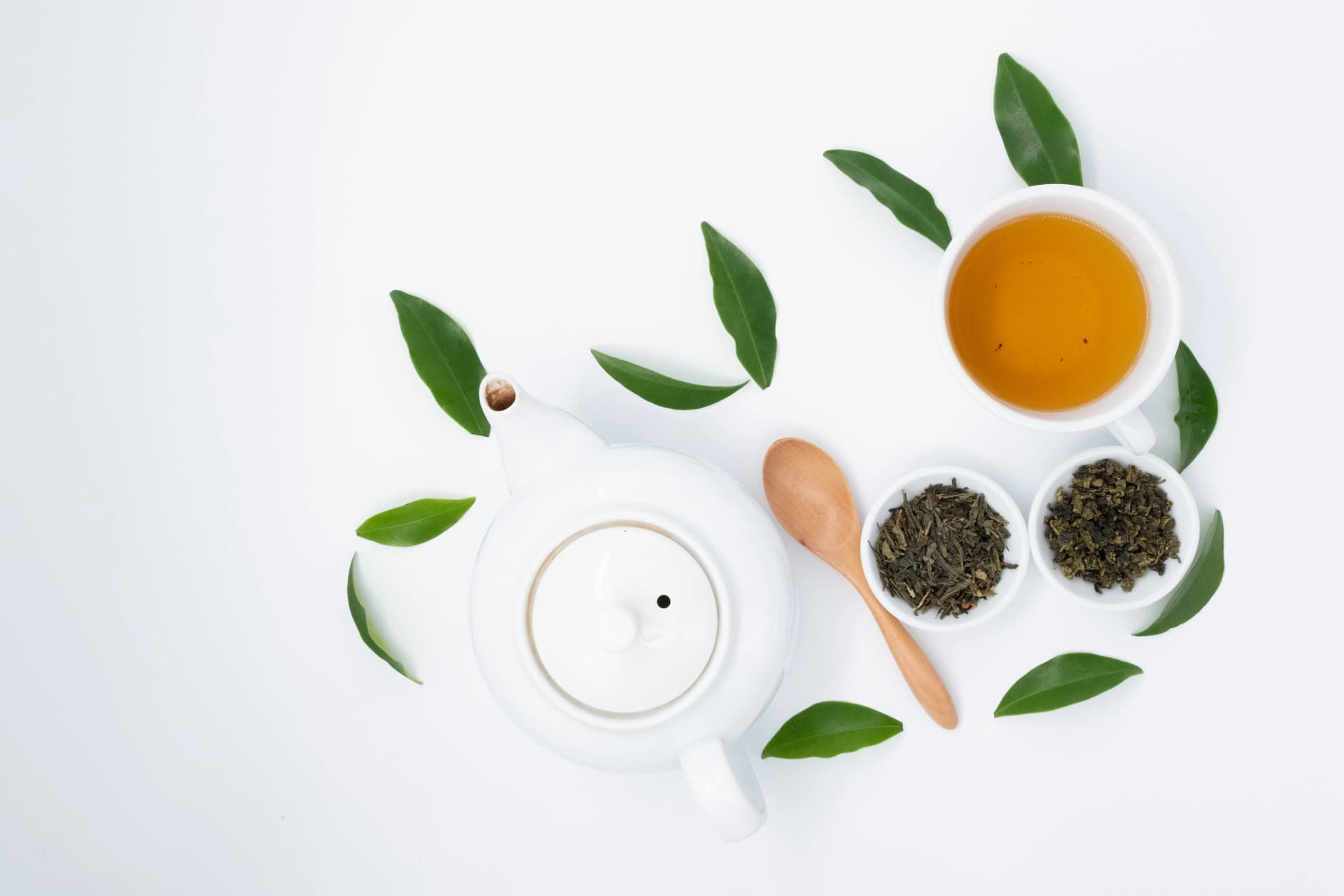
Healthy Drinks Besides Water: Tea, Kahwa and Smoothies
Some drinks are for thirst, some for a quiet tea break, and some are part of breakfast. Here is how to choose without buying into a miracle ingredient.