
Healthy drinks besides water: choose a cup that suits you
Some drinks are for thirst, some for a quiet tea break, and some are part of breakfast. Here is how to choose without buying into a miracle ingredient.
Quick answer: For everyday variety, try unsweetened tea, a ginger or peppermint infusion, milk or a suitable fortified alternative. Green tea and traditional green-tea kahwa contain caffeine; pure ginger and peppermint infusions do not. A smoothie provides food as well as fluid, so choose its portion and ingredients for the role it plays in your meal.
Key takeaways
- Choose the drink's job first: thirst, a warm break or something to eat with breakfast.
- Herbal is not a guarantee of caffeine-free: check blends and added ingredients.
- The amount of added sweetener matters more than whether the label calls it natural.
- Research on an extract does not establish a treatment effect for a cup of tea.
Start with the reason you want a drink
At a supermarket shelf, a bottled green tea, a ginger shot and a fruit smoothie can all carry similar wellness language. In your day, they do different jobs. A lightly brewed tea can accompany lunch; a smoothie made with yogurt and oats brings substantial food with it. Neither needs to be called a cleanse to be worth enjoying.
For routine hydration, water is a useful default and other drinks can contribute. The NHS hydration guide includes tea, coffee and milk among daily fluids. Individual needs change with activity and conditions; follow any fluid limit given by your clinician.
Before choosing, ask: do I want caffeine, do I want something sweet, and is this accompanying food or replacing part of it? Those answers narrow the shelf much more effectively than the word superfood.
Compare six everyday drink options
This is a practical comparison, not a ranking of medical benefits. Ingredients and preparation vary between brands. A plain tea and a large sweetened bottled tea are not interchangeable.
| Drink | Useful when you want | Check before choosing |
|---|---|---|
| Green tea | A light, grassy or toasted warm drink | Caffeine; brewing time; added sugar in bottled versions |
| Ginger infusion | A warming, peppery flavour | Blended tea may add caffeine; strong ginger can be uncomfortable |
| Peppermint infusion | A minty, naturally caffeine-free option | Use food-grade tea; peppermint may aggravate reflux |
| Kahwa | A fragrant green tea with warming spices | Green tea contributes caffeine; nuts and sweeteners are optional |
| Milk or fortified alternative | A drink that also provides nutrients | Protein, calcium, vitamin fortification and allergens on the label |
| Smoothie | A blended food to include in a meal | Portion, ingredients and whether it meets your needs |
Find your tea, then adjust the brewing
If green tea tastes harsh, use the packet's recommended water temperature and shorten the steep before reaching for more sugar. Remove the leaves or bag when it tastes right. The green tea guide covers brewing, caffeine and what the health research actually measures.
For a caffeine-free alternative, brew ginger on its own rather than adding it to black tea. Start with a small amount and adjust for taste; our ginger tea recipe gives a measured starting point. The peppermint guide explains why studies of peppermint oil capsules do not prove that mint tea treats bloating.
Prefer a more fragrant cup? Try Kashmir-inspired kahwa. Keep a note of the spices you enjoyed. The recipe is a culinary variation, and extra spices do not turn it into a prescribed health remedy.
Read the sugar and caffeine information together
Check the serving size before comparing labels. A number quoted per 100 ml looks smaller than the total in a 500 ml bottle. Likewise, a spoon of honey still sweetens a drink; the word natural does not make it invisible in your daily intake. Try the drink plain first, then measure the amount you prefer.
Green tea, coffee and some mixed herbal products contribute to your total caffeine. The FDA caffeine guide describes 400 mg a day as an amount not generally associated with negative effects for most adults, not an intake target or a limit that suits everyone. Sensitivity, medicines and pregnancy can change what is appropriate. Trouble sleeping or feeling jittery is a reason to reconsider your intake.
If you want an evening drink, read every ingredient in a blend rather than relying on a calming product name. A mint-and-green-tea mix is different from peppermint leaves alone.
Keep smoothies in their own lane
A glass containing fruit, yogurt, oats and seeds is more than flavoured water. Decide how it fits with the rest of breakfast and whether its portion feels comfortable. A lightly brewed tea will not replace the protein and other food in that blend.
Use the smoothie ratio guide for texture and the calorie calculator to compare measured ingredients. Figures are estimates, and substitutions change them. If you just want a drink alongside a meal, you do not need to add protein powder to every cup.
A small change you can actually repeat
Choose one regular drink occasion: the bottle you take to work, the cup after lunch, or the evening drink beside your book. Try an option from the table and change one thing at a time. Shorter steeping, a smaller cup or less sweetener is easier to assess than a seven-ingredient wellness routine.
If you are searching because of swelling, pain or ongoing digestive symptoms, start with the cause rather than a drink list. Our guide to inflammation claims separates ordinary drink choices from problems that need medical assessment. You can enjoy a cup for its flavour without expecting it to fix a disease.
A useful next read
Sources & further reading
Sources support the guidance noted below. Recipe combinations and texture suggestions are editorial starting points.
- NHS: Water, drinks and hydration
General hydration guidance and the contribution of everyday drinks.
- FDA: How much caffeine is too much?
Caffeine sensitivity, sources and the context for the adult 400 mg figure.
- NCCIH: Green tea
Evidence limits and the distinction between brewed tea and concentrated extracts.
- NCCIH: Detoxes and cleanses
Why detox claims should not be treated as established health benefits.
Frequently asked questions
Unsweetened tea, a plain herbal infusion or milk can offer variety. Choose according to caffeine tolerance, allergies and dietary needs. A little added fruit or a different drinking temperature may also make water more appealing.
Keep reading
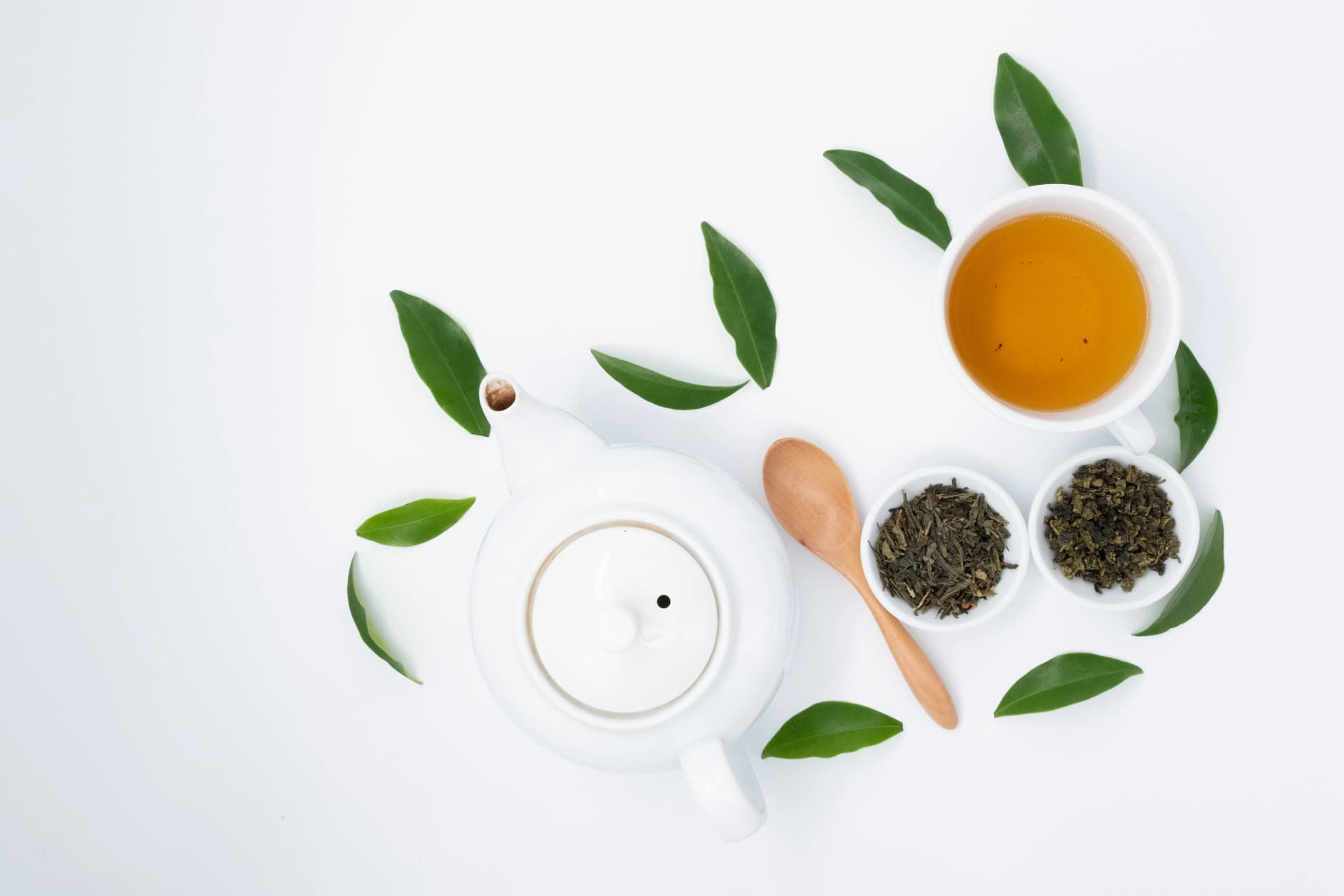 🍵 Tea & Drinks
Oct 10, 2026 · 5 min read
Green Tea Benefits and Risks: A Practical Brewing Guide
Green tea can be an enjoyable everyday drink. Choose it for its flavour and usefulness in your routine, with realistic expectations about what a cup can do.
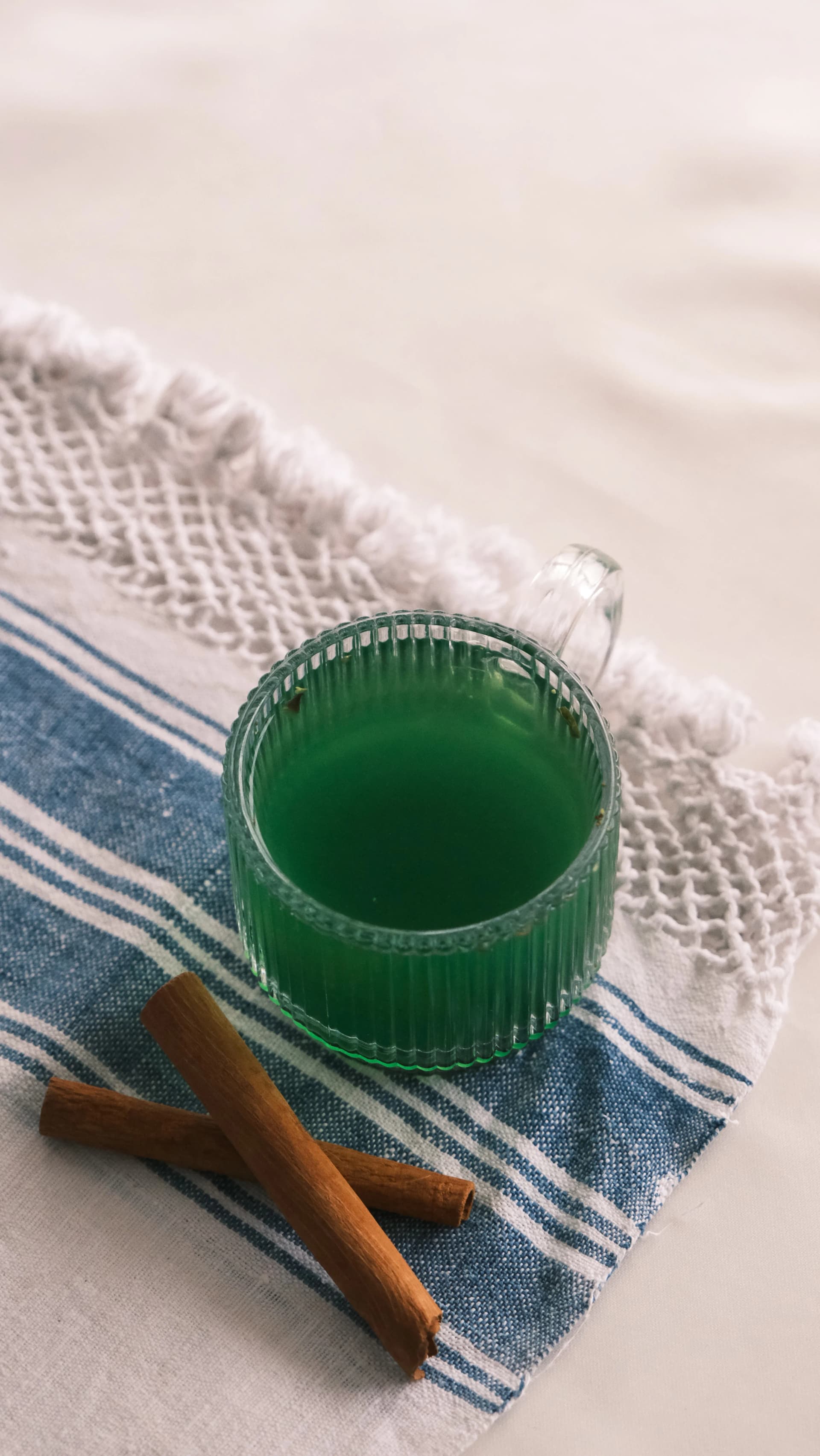 🍵 Tea & Drinks
Oct 10, 2026 · 5 min read
Kahwa Tea Recipe: A Kashmir-Inspired Green Tea
Cardamom, cinnamon and a few saffron strands give this green tea its character. Simmer the spices first, then steep the leaves briefly for a fragrant, balanced cup.
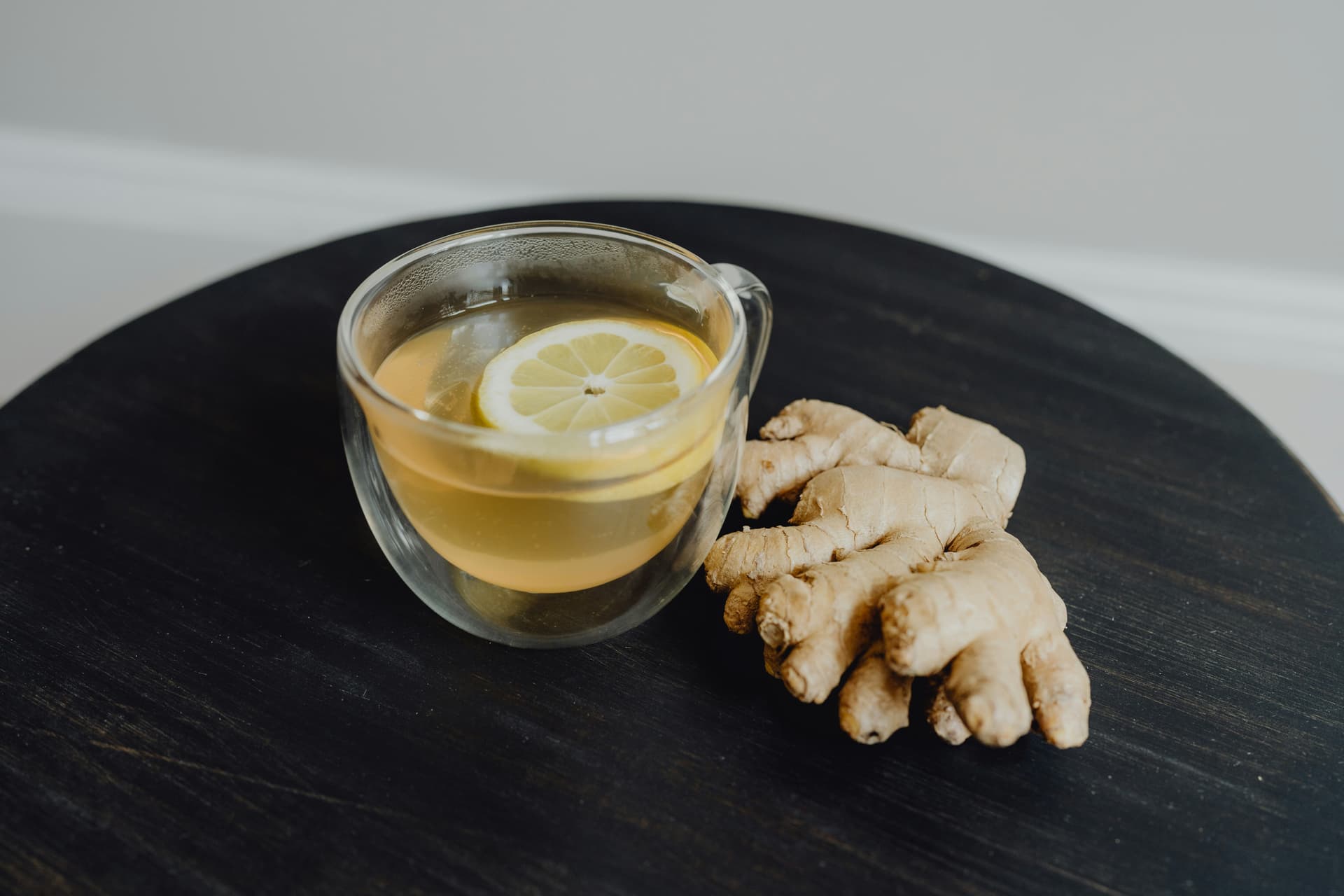 🍵 Tea & Drinks
Oct 10, 2026 · 6 min read
Drinks for Inflammation: What the Evidence Actually Says
A cup of turmeric milk is food. A concentrated curcumin capsule is a different product. That distinction changes what you can reasonably expect from either.