
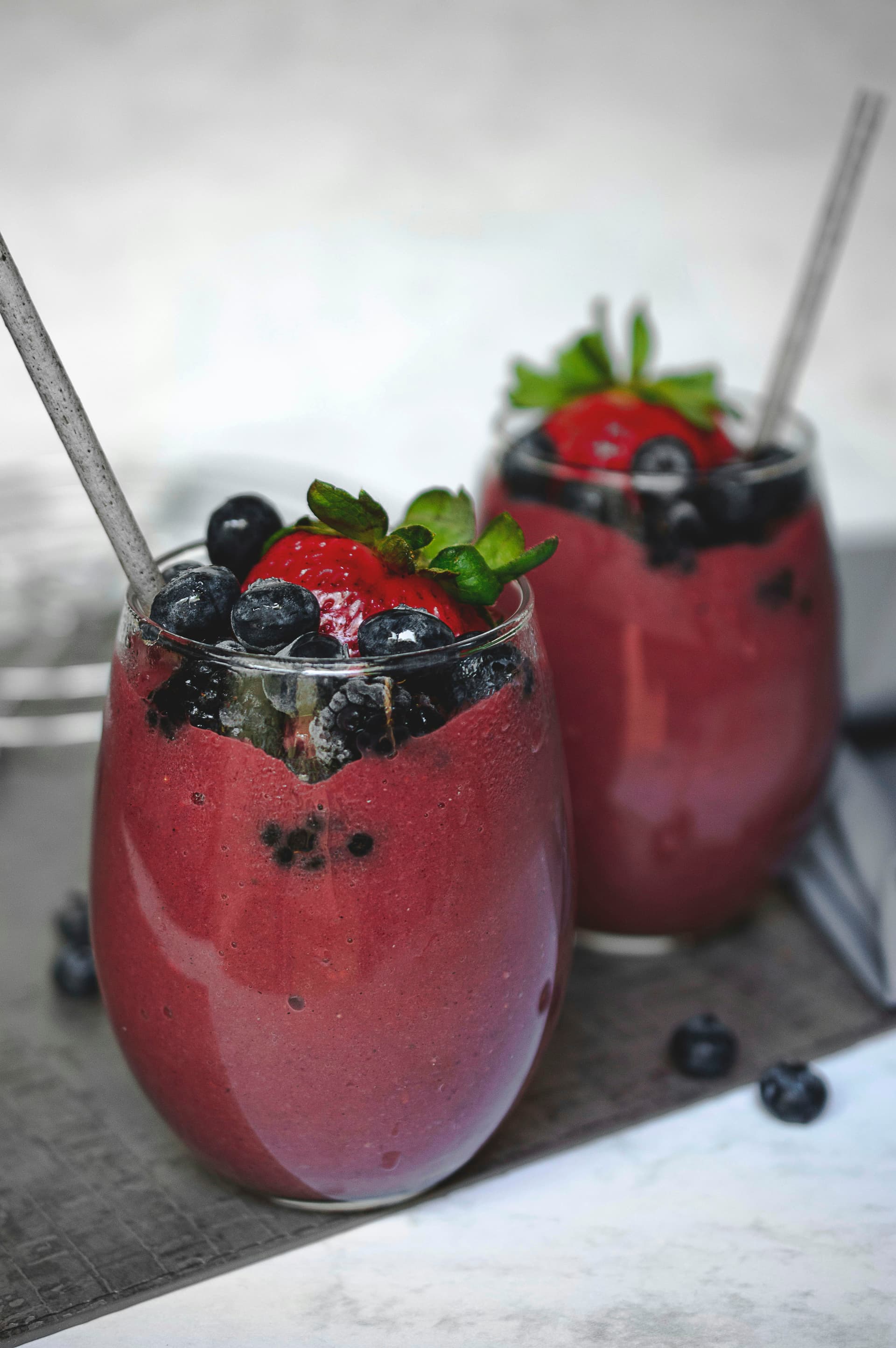
Anti-Inflammatory Blueberry Smoothie
Frozen blueberries, Greek yogurt, spinach, flax and a thumb of ginger. Five minutes, 230 calories, and every ingredient is there for a reason.
Quick answer: To make an anti-inflammatory blueberry smoothie, blend 1 cup frozen blueberries, 1/2 cup plain Greek yogurt, 1 cup unsweetened almond milk, a handful of spinach, 1 tbsp ground flaxseed, 1 tsp grated fresh ginger and 1/2 tsp cinnamon for 45 seconds. It has about 230 calories, 16g protein and 7g fiber, with no added sugar.
Key takeaways
- Frozen blueberries work as well as fresh and make the smoothie thick without ice.
- Ground flax, not whole seeds: whole flaxseed passes through undigested.
- Greek yogurt is what makes it a breakfast. Without protein a fruit smoothie leaves you hungry within the hour.
- No smoothie treats inflammation. It is one daily habit that adds fruit, fiber and omega-3 to your diet.
The recipe
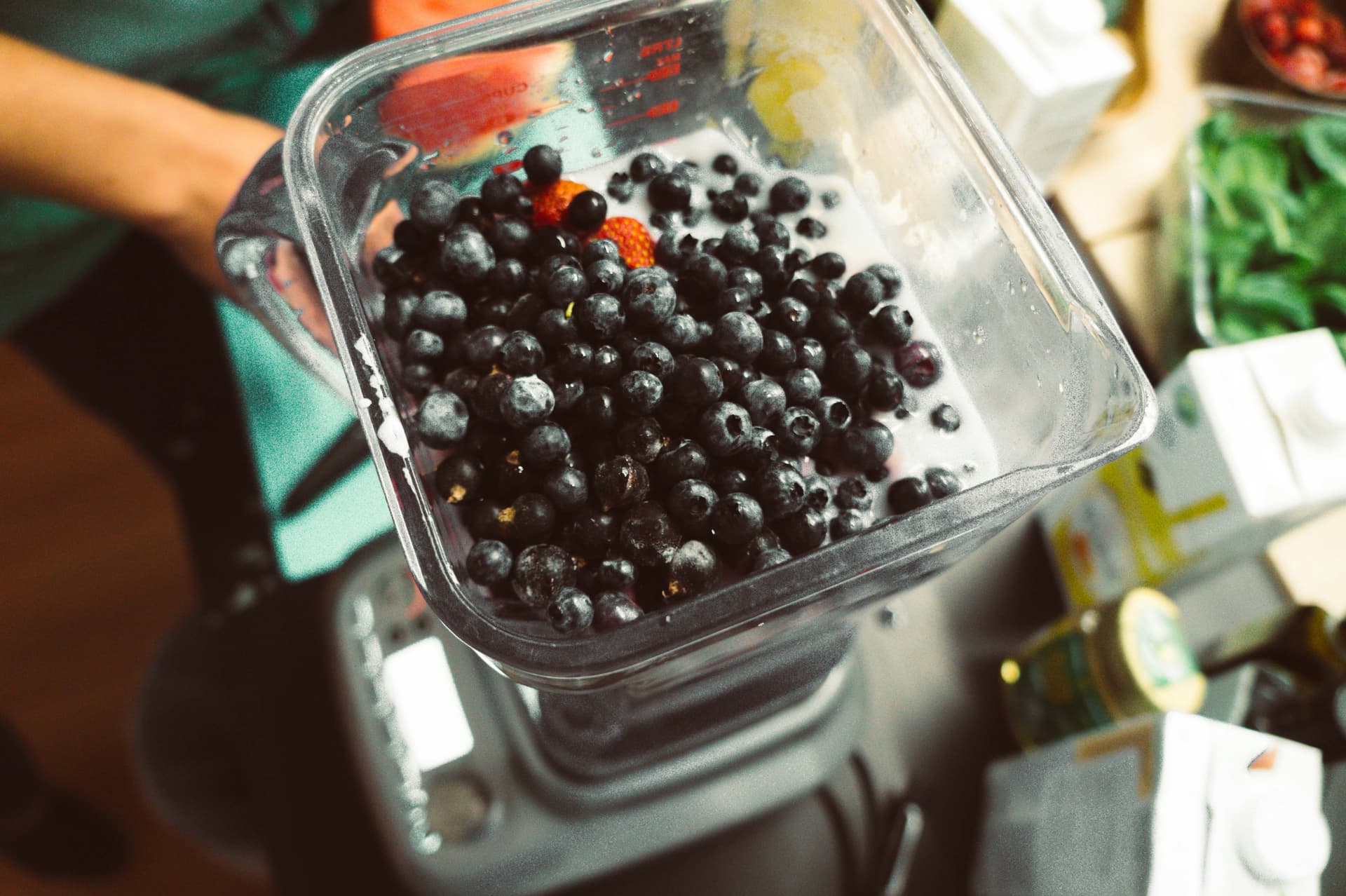
One large glass. Takes five minutes including washing the blender.
- 1 cup (150g) frozen blueberries
- 1/2 cup (115g) plain Greek yogurt
- 1 cup (240ml) unsweetened almond milk, or any milk you drink
- 1 packed cup (30g) baby spinach
- 1 tbsp ground flaxseed
- 1 tsp freshly grated ginger
- 1/2 tsp ground cinnamon
Nutrition per glass
About 230 kcal, 16g protein, 31g carbohydrate (18g natural sugar from the fruit and yogurt), 7g fat and 7g fiber. Figures are estimates from USDA data; your yogurt and milk brand will move them a little. Check your own version in the smoothie calorie calculator.
How to make it
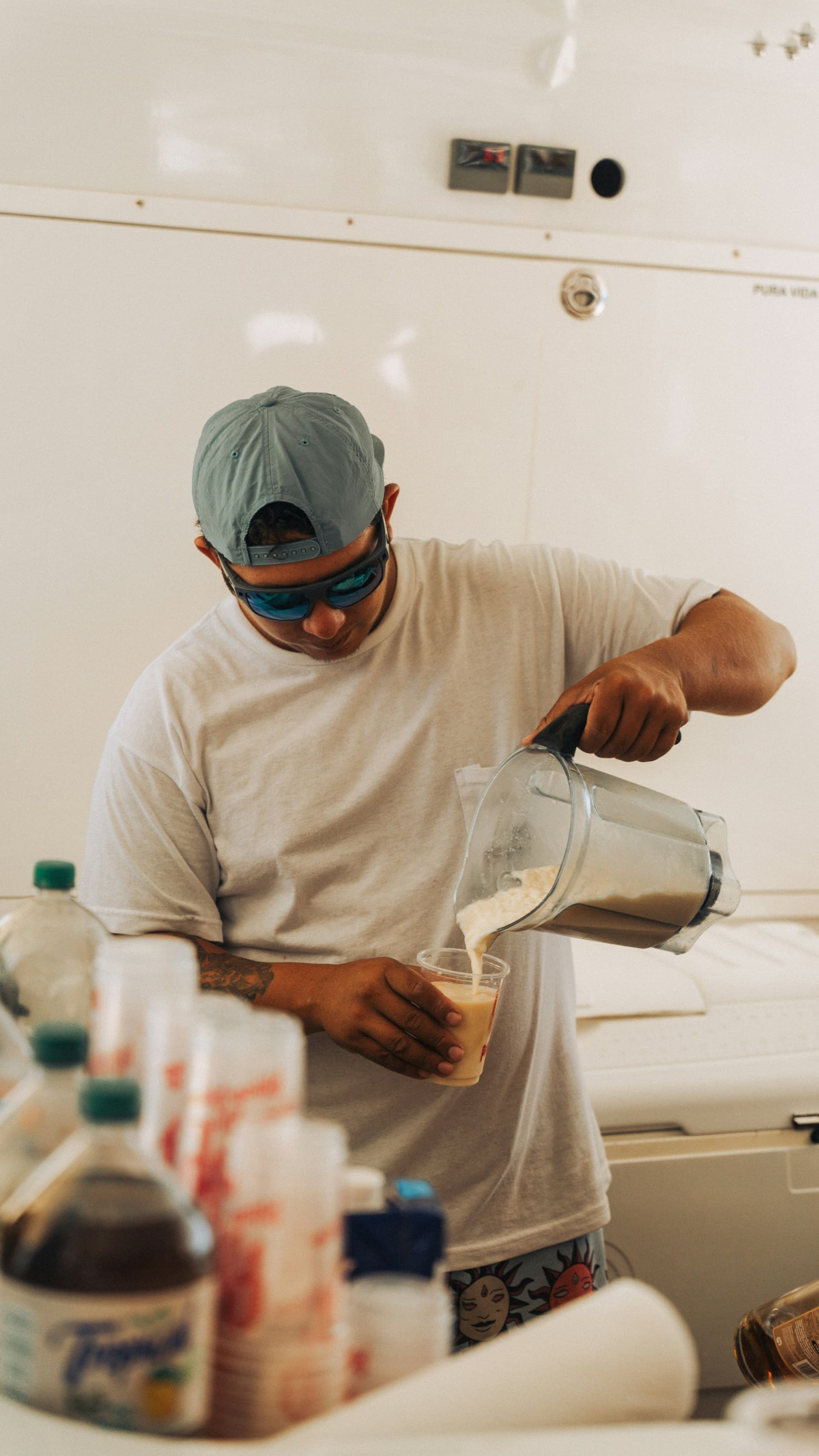
Pour the milk in first so the blades catch, then add the spinach, yogurt, flax, ginger and cinnamon, and the frozen blueberries last. Blend on high for 45 seconds, until no green flecks of spinach are left.
Too thick? Add milk a splash at a time. Too thin? A few more frozen blueberries or two ice cubes. Drink it straight away; flax keeps thickening as it sits and after 20 minutes it turns closer to pudding.
Why these ingredients
Chronic, low-grade inflammation is influenced by your whole diet, sleep, activity and weight, so be wary of any single food sold as a fix. What these ingredients do have is a reasonable body of research behind them, which is more than most "detox" blends can say.
Blueberries
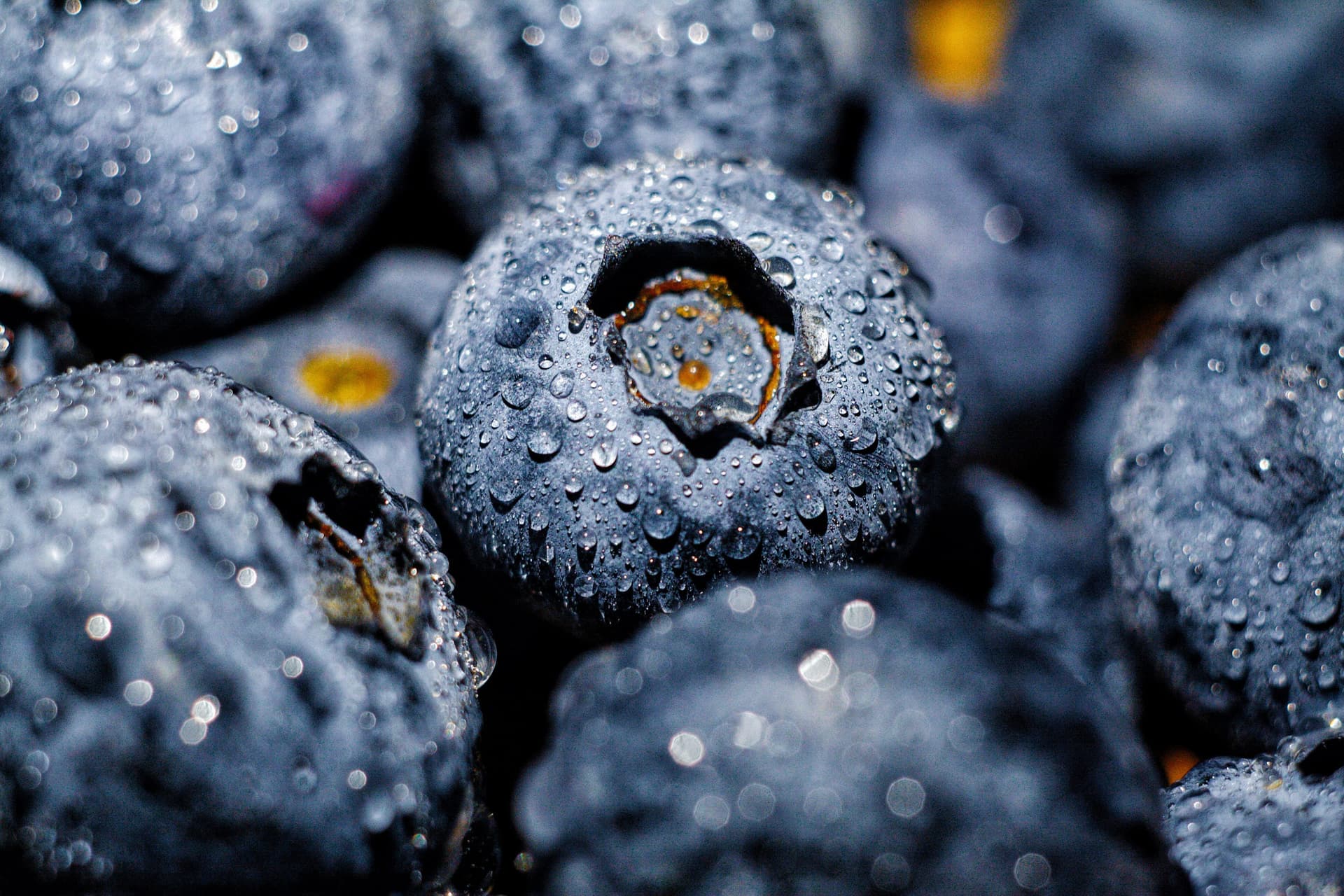
Their deep colour comes from anthocyanins, among the most studied plant compounds. Small human trials with daily blueberries have reported improvements in blood vessel function and some inflammatory markers, though results vary between studies. A cup also brings 3.6g of fiber for 84 calories.
Ground flaxseed
One tablespoon supplies about 1.6g of ALA, the plant omega-3, plus 2g of fiber. Buy it ground or grind it yourself, because whole seeds pass through undigested.
Fresh ginger
Several small trials found that a couple of grams of ginger a day reduced muscle soreness after exercise. It also gives the smoothie a warm finish that stops it tasting like plain yogurt.
Spinach and Greek yogurt
Spinach adds magnesium, folate and vitamin K for 7 calories and disappears in the colour. The yogurt brings about 11g of protein, which is what keeps you full until lunch.
Frozen or fresh blueberries?
Frozen, for this recipe. Blueberries are frozen within hours of picking, studies comparing them with fresh berries find similar nutrient levels, and they are usually cheaper out of season. They also chill and thicken the smoothie, so you skip the ice that would water it down.
Wild blueberries, the small frozen ones, have a stronger colour and flavour than cultivated berries. Either works.
Swaps
- Dairy-free or vegan: use unsweetened soy yogurt and soy milk; protein stays around 14g.
- More protein: add a scoop of vanilla protein powder for about 22g more, or see our protein smoothies without powder.
- After training: add half a banana and a scoop of protein for the carbohydrate your muscles want.
- Golden version: add 1/2 tsp turmeric with a pinch of black pepper; the pepper is what makes the curcumin absorbable.
- Lower sugar: swap half the blueberries for frozen cauliflower rice. You will not taste it.
More anti-inflammatory smoothies
If you want variety through the week, our 12 anti-inflammatory smoothies cover turmeric, tart cherry and ginger versions, and the 30-day protein shake builder with the Recovery goal picks berry and cherry combinations for you.
Recipes from this guide
Tropical Anti-Inflammatory Smoothie
Pineapple, mango, turmeric and ginger with a little coconut for absorption. Bright, golden and quietly powerful.
- Bromelain from pineapple and curcumin from turmeric
- Coconut fat improves curcumin absorption
Blueberry Almond Smoothie
Frozen blueberries, almond butter and a pinch of cinnamon. It tastes like the muffin, without the sugar crash an hour later.
- Anthocyanins from a full cup of blueberries
- 22g protein and 11g healthy fat from almond butter keep you full
Cherry Vanilla Recovery Smoothie
Tart cherries are one of the few foods tested in athletes for muscle soreness. With Greek yogurt and flax, this is a recovery shake that tastes like dessert.
- Tart cherry anthocyanins, tested in athletes for muscle soreness
- 24g protein for muscle repair
Frequently asked questions
Blueberries contain anthocyanins, and small studies with daily blueberries have reported improvements in some inflammatory markers. A blueberry smoothie with no added sugar, some protein and omega-3 seeds fits an anti-inflammatory eating pattern, but no single drink treats inflammation.
Keep reading
Sep 11, 2026 · 11 min read
12 Anti-Inflammatory Smoothies Backed by Science (Turmeric, Berry, Cherry)
Chronic, low-grade inflammation sits behind a long list of modern health problems. No smoothie cures it, but a handful of ingredients have genuine evidence. Here they are, and 12 recipes that use them.
Sep 15, 2026 · 9 min read
12 Protein Smoothies Without Protein Powder (20 to 30g Each)
You do not need a tub of powder to hit 30g of protein in a glass. Greek yogurt, cottage cheese and milk get you there with better flavor and fewer additives. Here is the math and 12 recipes.
Sep 11, 2026 · 9 min read
10 Post-Workout Smoothies for Recovery (30g+ Protein)
After training, your muscles want protein to repair and carbohydrate to refuel. A smoothie delivers both faster than any meal. Here is what the research says you need, and 10 recipes that provide it.