
12 Anti-Inflammatory Smoothie Ideas and What the Evidence Says
Berries, cherries, seeds and warming spices make colourful, satisfying blends. Explore twelve combinations, measured recipes and the limits of claims about inflammation.
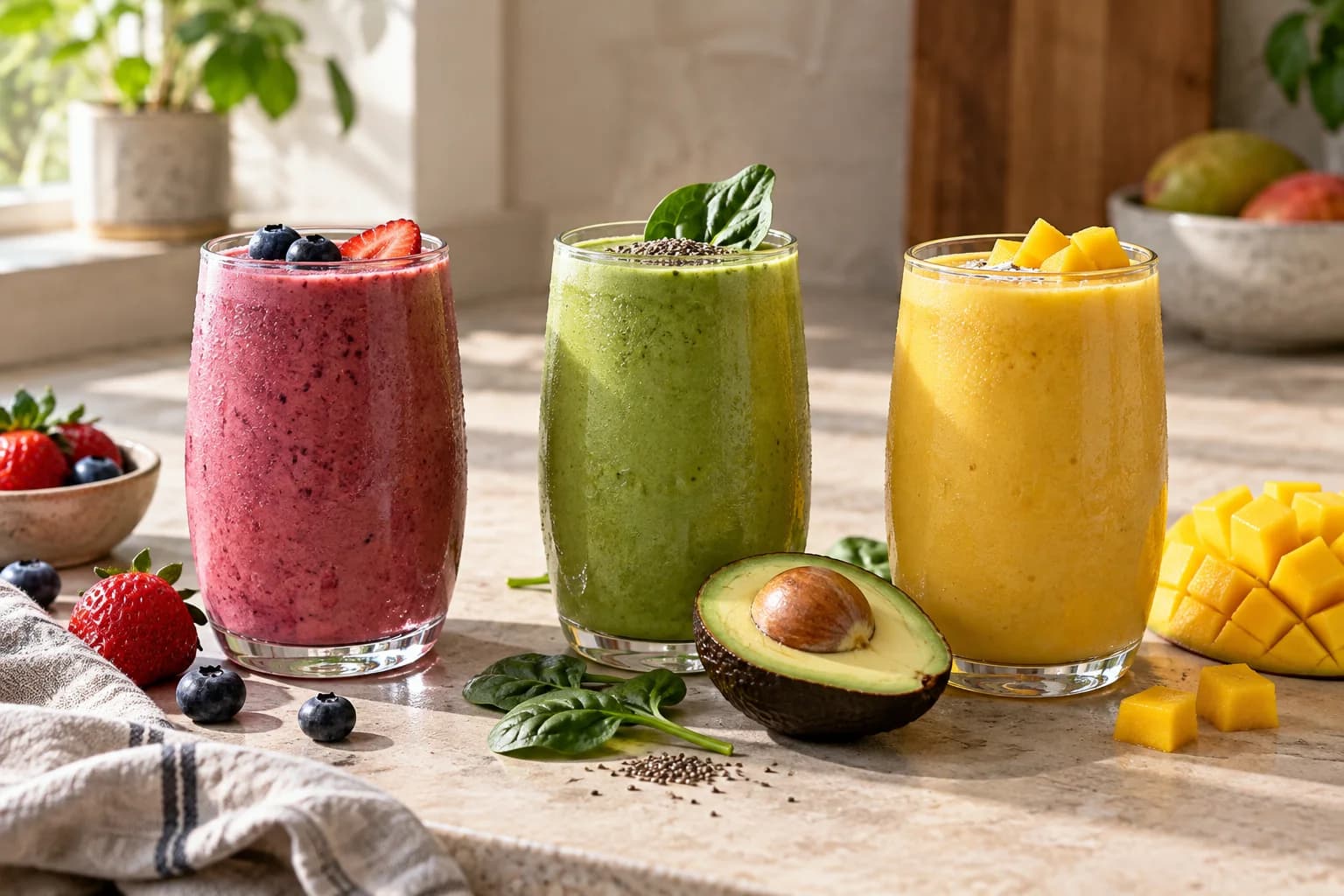
Quick answer: For a smoothie inspired by an anti-inflammatory eating pattern, combine berries or cherries with yogurt, ground flax or chia, and milk or water. Ginger and turmeric are optional flavourings. Studies of individual ingredients or concentrated supplements do not establish that a homemade smoothie reduces inflammation or treats disease.
Key takeaways
- Use turmeric and ginger for colour and flavour; black pepper and added fat are optional recipe choices.
- Tart-cherry research is limited and results vary. It does not prove a cherry smoothie speeds recovery.
- Flax, chia and walnuts supply ALA, a plant omega-3; it is not interchangeable with the EPA and DHA in fish.
- The twelve combinations below are blend ideas. Follow the linked recipes for measured quantities and methods.
What anti-inflammatory means on this page
Anti-inflammatory is a common label for smoothies containing fruit, vegetables, seeds and spices. Here it describes a food theme, not a tested medical effect of these blends. No recipe on this list has been established as a treatment for an inflammatory condition.
NCCIH explains that health associations seen with fruit- and vegetable-rich diets cannot simply be attributed to isolated antioxidants. Supplement research also cannot be transferred directly to a glass of food. Enjoy these combinations as part of your meals, and keep treatment decisions with your healthcare team.
Ingredients: useful in the kitchen, with limits to the evidence
These ingredients are not ranked as treatments. Research can involve extracts, juices or doses quite different from the amounts used in cooking.
- Turmeric adds an earthy flavour and golden colour. NCCIH says evidence is insufficient for definitive health conclusions. Piperine can increase curcumin absorption in products, but that does not prove a smoothie needs pepper or extra fat to provide a health benefit.
- Ginger adds a bright, peppery finish. NCCIH notes that most nausea studies tested supplements rather than foods; those results do not establish a daily smoothie dose or an inflammation benefit.
- Tart cherries add acidity that pairs well with vanilla. NIH describes limited, mixed research on tart-cherry products for exercise recovery, with no expert consensus on their value.
- Berries add colour, fruit and texture. Their antioxidant content does not establish a best fruit for treating inflammation.
- Ground flax, chia and walnuts add texture and ALA. NIH notes that the body converts only small amounts of ALA to EPA and DHA; these are different forms of omega-3.
- Spinach and kale are practical vegetable additions. Start with a small handful if you are new to green smoothies.
- Pineapple adds sweetness and acidity. The presence of bromelain is not evidence that a serving of pineapple treats swelling.
- Matcha adds a grassy flavour and caffeine. Use it if you enjoy the taste, without assuming it adds a clinical anti-inflammatory effect.
- Avocado and nut butter make a blend creamier. Choose them for taste and the meal you want, rather than as a required turmeric companion.
12 anti-inflammatory smoothie ideas to try
These are flavour combinations, not twelve measured recipes or clinically tested drinks. Links lead to complete recipes or clearly identified starting points; substitutions change the serving and nutrition.
1. Mango Pineapple Turmeric Smoothie
Pineapple, mango, turmeric, ginger and coconut make a bright golden blend. Start with the measured mango pineapple turmeric recipe; its pepper is optional for flavour.
2. Cherry Vanilla Smoothie
Cherries, Greek yogurt, flax and vanilla make a creamy, tart combination. Follow the cherry vanilla protein smoothie for quantities. Its name and ingredients do not guarantee faster recovery.
3. Golden Turmeric Smoothie
Try banana, turmeric, ginger, cinnamon and coconut milk for a golden-milk flavour. Add the spices gradually and taste; black pepper is optional.
4. Blueberry Flax Smoothie
Blueberries, ground flax, Greek yogurt and almond milk make a thick purple glass. Our blueberry smoothie recipe provides quantities and steps.
5. Berry Kefir Smoothie
Mixed berries, kefir, banana and flax give a tangy finish. Use the measured berry kefir recipe as your starting point.
6. Green Tea Matcha Smoothie
Matcha, spinach, banana and almond butter create a creamy green combination. For an oat-based version with quantities, try the matcha oat smoothie. Matcha contains caffeine.
7. Pineapple Ginger Smoothie
Pineapple, ginger, spinach, coconut water and lime make a bright, sharp blend. Taste before adding extra lime or ginger.
8. Avocado Spinach Green Smoothie
Avocado, spinach, pear, lime and hemp seeds give a creamy green blend. Add liquid a little at a time to reach a pourable texture.
9. Pomegranate Berry Smoothie
Pomegranate arils, raspberries, Greek yogurt and chia make a tart pink blend. Expect texture from the seeds, and extra thickening as the chia sits.
10. Walnut Cacao Smoothie
Banana, walnuts, unsweetened cacao and oat milk give a chocolate-and-nut flavour. Blend thoroughly to break down the walnuts.
11. Beet Berry Smoothie
Cooked beet, berries, banana and oats make an earthy purple blend. The beet berry recipe has measured quantities; it is not a standardized nitrate supplement.
12. Papaya Ginger Smoothie
Papaya, ginger, lime and mint make a fragrant fruit blend. Start with a little ginger and add chilled water to adjust the thickness.
Keep the recipe practical
Choose ingredients for the flavour, texture and portion you enjoy. One ingredient does not cancel out the rest of a smoothie.
- Use whole fruit for texture. Water or unsweetened milk gives you a neutral liquid base; juice changes sweetness and the nutrition of the serving.
- Taste before adding honey or syrup. Compare yogurt and milk labels if you want to reduce added sugar.
- Choose a protein powder by its ingredients, allergens and nutrition label if you use one. A long ingredient list alone does not show that a product causes inflammation.
- Spices are optional. A plain berry-and-yogurt smoothie is still a useful way to enjoy those foods.
How to build your own
Choose a fruit you enjoy, add yogurt or another protein ingredient if wanted, then use milk or water to blend. Ground flax, chia, greens and spices are optional additions. Start with one of the linked measured recipes and change one ingredient at a time so you can judge the taste and texture.
A smoothie can be a snack or part of a meal depending on its ingredients, portion and your needs. There is no established smoothie dose or timetable for lowering inflammation, and these drinks should not replace prescribed treatment.
Sources & further reading
Sources support the guidance noted below. Recipe combinations and texture suggestions are editorial starting points.
- NCCIH: Turmeric
Uncertain clinical benefits and the distinction between curcumin absorption and demonstrated health effects.
- NCCIH: Ginger
Evidence limitations and the predominance of supplement rather than food studies.
- NIH ODS: Exercise and Athletic Performance
Limited and variable evidence for tart-cherry products; not validation of these smoothie recipes.
- NIH ODS: Omega-3 Fatty Acids
Food sources of ALA and limited conversion to EPA and DHA.
- NCCIH: Antioxidant Supplements
Why evidence about dietary patterns, isolated antioxidants and supplements is not interchangeable.
Recipes to explore
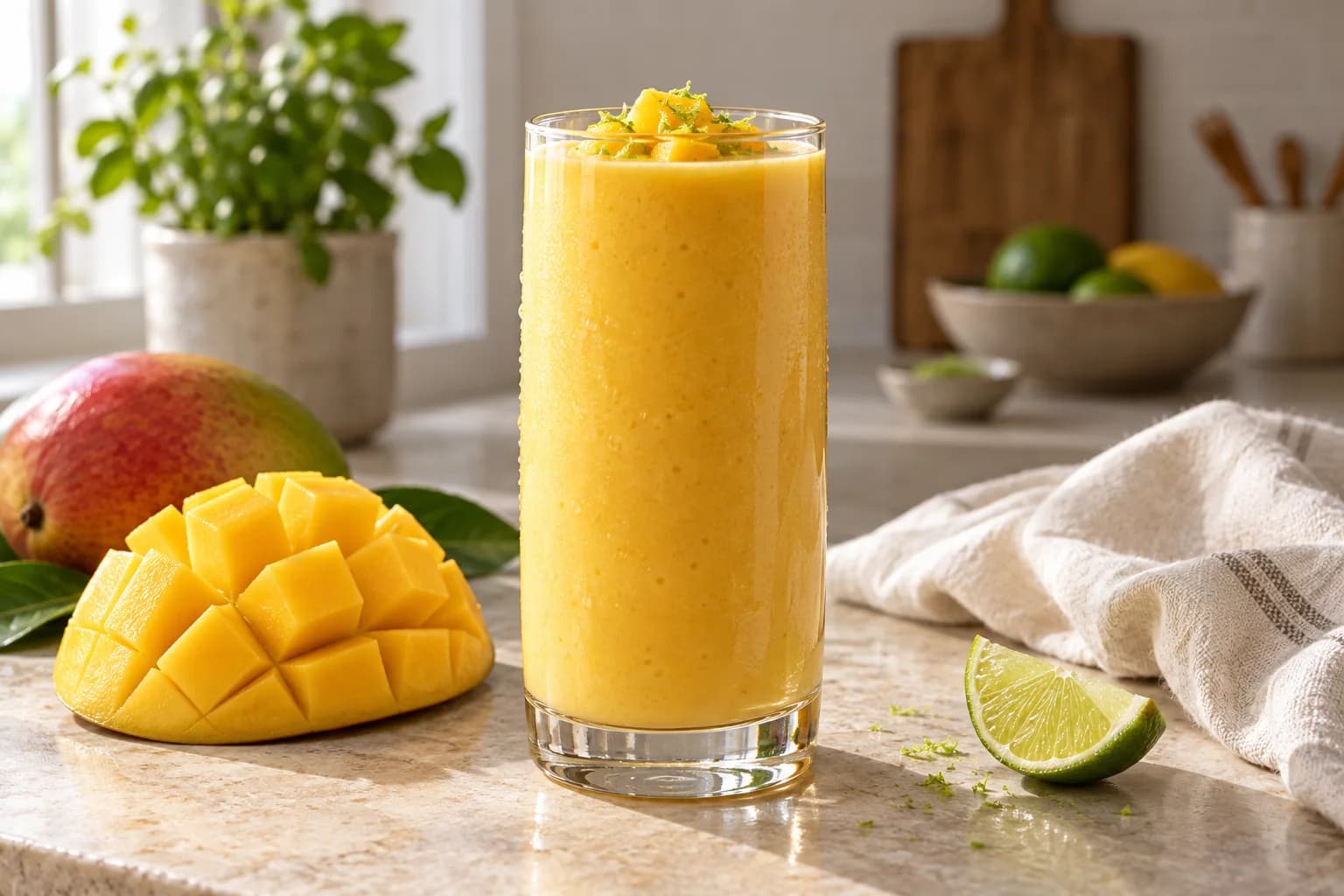 Berries & Spice6g protein
Mango Pineapple Turmeric Smoothie
Pineapple, mango, turmeric and ginger with coconut. A bright tropical blend with gentle spice and a golden colour.
- Mango and pineapple create the main flavour
- Turmeric adds colour and earthiness
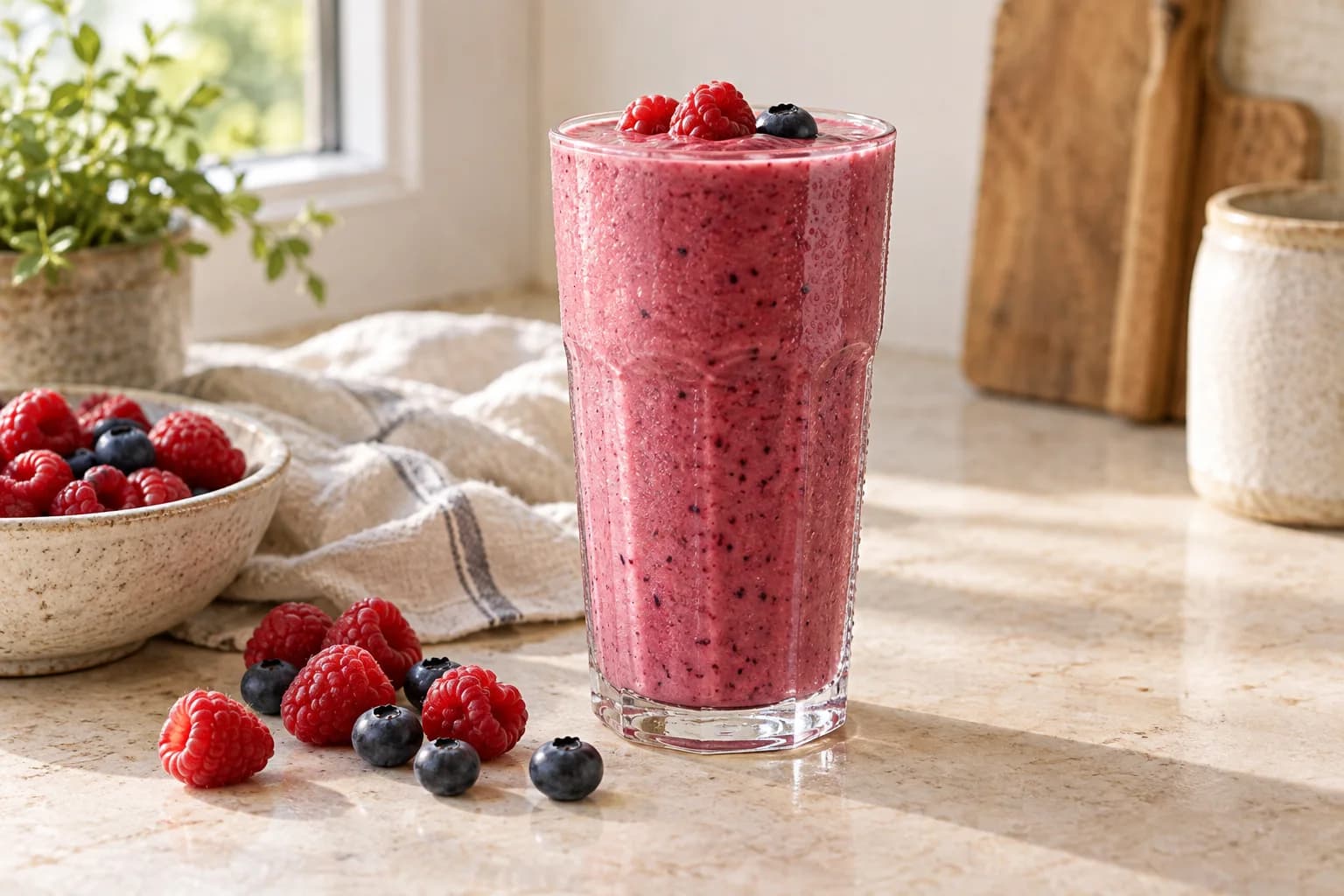 Berries & Spice24g protein
Cherry Vanilla Protein Smoothie
Cherries, vanilla Greek yogurt and flax make a dessert-like smoothie. Pitted frozen cherries keep preparation simple.
- Approximately 24g protein with the listed ingredients
- Cherries and vanilla create the main flavour
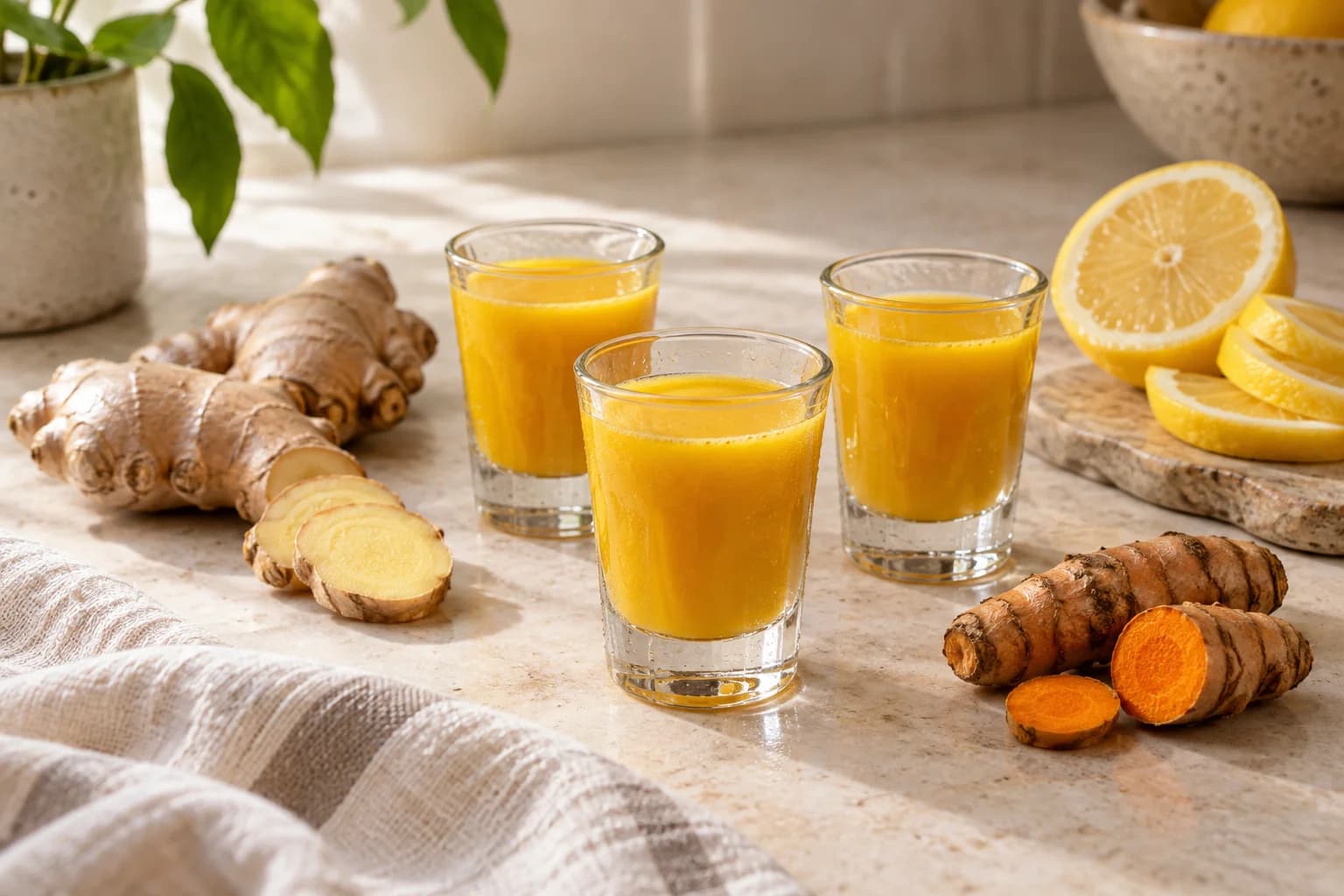 Citrus & Ginger0g protein
Golden Turmeric Ginger Shot
Turmeric, orange and ginger make a vivid golden drink with a warm, citrus finish. Black pepper is optional for flavour, not a guaranteed absorption effect.
- Orange softens the earthy turmeric flavour
- Small batch with measured ingredient amounts
Frequently asked questions
There is no established ranking that identifies one fruit as the best treatment for inflammation. Berries, cherries and other fruit can add variety to meals; ingredient studies do not prove a particular smoothie treats disease.
Keep reading
🫚 Wellness ShotsJul 5, 2026 · 7 min read
Turmeric Shot Recipe: Benefits, Dosage and the Black Pepper Trick
Turmeric alone is poorly absorbed. Add black pepper and a little fat, and a daily shot becomes one of the easiest anti-inflammatory habits there is.
🫚 Wellness ShotsComplete guideSep 30, 2026 · 3 min read
Ginger Shots: Benefits, Limits and a Blender Recipe
Fresh ginger, lemon and a little water make a sharp, bright drink. Here is how to enjoy the flavour without confusing a homemade shot with a studied supplement.
🍊 Citrus & GingerComplete guideSep 30, 2026 · 8 min read
10 Immune Boosting Smoothies for Cold and Flu Season
No smoothie prevents a cold. But the right ingredients keep your immune system well supplied. Here are the nutrients that matter and 10 recipes built around them.