
Drinks for inflammation: useful choices and important limits
A cup of turmeric milk is food. A concentrated curcumin capsule is a different product. That distinction changes what you can reasonably expect from either.
Quick answer: No drink is an established treatment for unexplained swelling or inflammatory disease. Unsweetened tea and other drinks can fit a balanced eating pattern, but supplement studies do not prove that a homemade tea or turmeric milk has the same effect. New, painful or one-sided swelling needs assessment; swelling with chest pain or breathing difficulty needs emergency help.
Key takeaways
- Inflammation, digestive bloating and fluid-related swelling are different problems.
- Trials of extracts cannot establish a therapeutic dose for an ordinary cup.
- A drink can add variety to an eating pattern without being a treatment.
- Black pepper is optional in a culinary turmeric drink, not a requirement for making it work.
First, what do you mean by swelling?
People searching for anti-inflammatory drinks may mean a bloated stomach after lunch, a swollen ankle, a sore joint or a blood-test result. A list of the same five drinks cannot address all of those situations. The location, timing and cause matter more than the colour of a tea.
Unexplained one-sided swelling, severe pain or a hot swollen area calls for urgent assessment. Swelling with chest pain or trouble breathing requires emergency help. For context, NHS guidance on oedema describes several possible causes and when to seek care. Do not delay assessment to try a drink.
If you mean recurrent digestive bloating, see the bloating advice from the NHS. Persistent symptoms need their own assessment, particularly with unintentional weight loss or blood in stool. The discussion below is about food choices, not diagnosing those symptoms.
How to read an anti-inflammatory drink claim
A laboratory result can identify an interesting compound without showing that people benefit from drinking it. A supplement trial can test a standardised dose that a kitchen recipe does not reproduce. Even a change in a blood marker is not automatically evidence that the product improves pain, mobility or long-term health.
When someone says a drink is scientifically proven, ask what was tested, in whom, against what comparison, and for which outcome. The NCCIH explanation of research types is a useful starting point. A reference should support the exact claim beside it, not just mention the same ingredient.
| Claim you may see | What to check | Practical conclusion |
|---|---|---|
| Turmeric treats inflammation | Was the study of curcumin capsules or a brewed drink? | Use turmeric for flavour; do not convert supplement results into a tea prescription |
| Green tea is a cure | Was the result observational, and did it measure the claimed disease outcome? | A pleasant unsweetened drink is not a replacement for treatment |
| Ginger reduces swelling | What condition, formulation and dose were actually studied? | Ginger tea has no established dose for unexplained swelling |
| Detox drinks flush inflammation out | Which toxin or clinical outcome was measured? | A marketing phrase is not evidence of a physiological effect |
Tea, ginger and turmeric: the evidence in context
NCCIH's green tea review describes uncertainty for many promoted uses. It also distinguishes ordinary tea from concentrated extracts, which have different safety concerns. Our green tea guide covers the everyday cup in more detail.
NCCIH's ginger summary discusses research such as nausea studies, often using supplements. That is not evidence that ginger tea treats a swollen joint or leg. If you enjoy its sharp flavour, use the measured ginger tea recipe as a cooking starting point.
For turmeric, NCCIH reports promising but inconclusive findings for some conditions, with differences between products making comparisons difficult. Products engineered to increase curcumin absorption have also raised liver-safety concerns. Increasing absorption is not automatically a health benefit, and adding pepper does not validate a homemade drink as a treatment.
A simple golden milk for flavour
For one small mug, whisk 200 ml milk or an unsweetened alternative with 1/4 teaspoon ground turmeric and a small pinch of cinnamon. Warm gently in a small saucepan, stirring until evenly mixed; do not let it boil over. Let it cool to a comfortable drinking temperature. This is an editorial kitchen idea, not a tested medical formulation or therapeutic serving.
Taste before adding sweetness. A little ginger gives a sharper version; leave it out if you prefer a softer flavour. Black pepper is optional. Use ordinary culinary spices, never essential oils or supplement extracts. Milk choice changes protein and nutrient content, and dairy and plant alternatives have different allergens.
If spices cause heartburn or discomfort, stop and choose something simpler. A stronger drink is not necessarily better. People taking medicines or considering concentrated herbal products should check with their clinician or pharmacist.
Put the cup in the context of your whole diet
The American Heart Association's dietary guidance focuses on overall eating patterns: a variety of plant foods, appropriate protein sources and limiting added sugars, among other factors. It does not depend on a special daily drink.
A useful starting change could be an unsweetened tea you enjoy with lunch. If you prefer something cold, the berry and spice smoothie guide offers flavour ideas with the same evidence limits. For a broader comparison of tea, kahwa and blended drinks, start with healthy drinks besides water.
There is no need to turn breakfast into an unmonitored treatment experiment. Keep prescribed care in place, make food changes that fit your needs, and bring ongoing symptoms to a qualified professional.
Sources & further reading
Sources support the guidance noted below. Recipe combinations and texture suggestions are editorial starting points.
- NHS: Swollen ankles, feet and legs
Why swelling needs assessment based on its cause and accompanying symptoms.
- NHS: Bloating
Bloating is a symptom with several possible causes; includes when to seek care.
- NCCIH: Types of research
Context for distinguishing laboratory, observational and clinical evidence.
- NCCIH: Green tea
Evidence gaps and differences between tea and concentrated extracts.
- NCCIH: Ginger
Research on ginger products cannot be directly applied to a tea recipe.
- NCCIH: Turmeric
Uncertainty about benefits and safety considerations for enhanced-absorption curcumin products.
- American Heart Association: 2026 dietary guidance
Emphasises a sustainable overall dietary pattern rather than individual miracle ingredients.
Frequently asked questions
There is no established everyday drink that reliably treats inflammation immediately. New or unexplained swelling should be assessed for its cause rather than managed with a tea or juice.
Keep reading
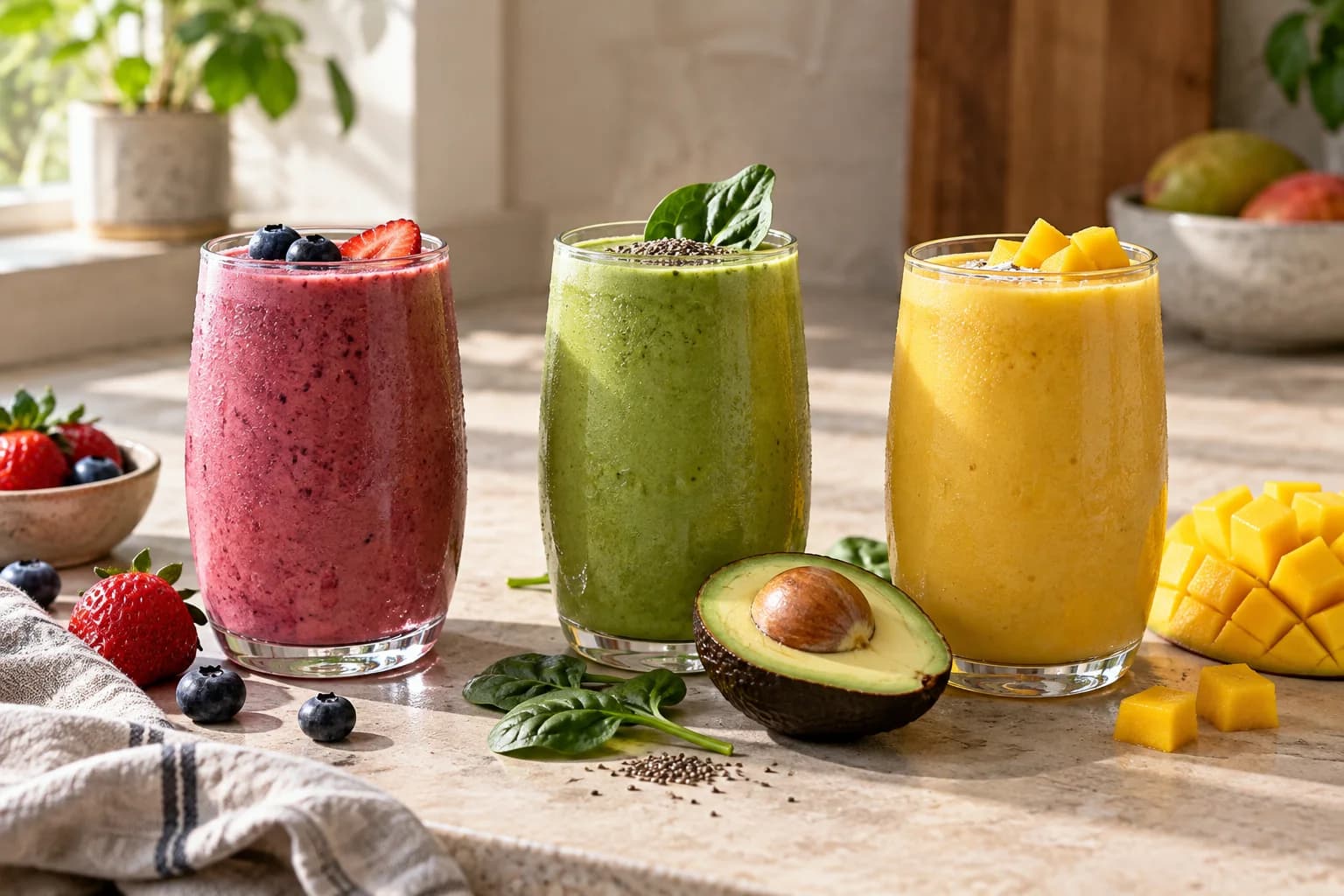 🌿 Berries & SpiceComplete guide
Oct 10, 2026 · 7 min read
12 Anti-Inflammatory Smoothie Ideas: Ingredients and Evidence
Berries, cherries, seeds and warming spices make colourful, satisfying blends. Explore twelve combinations, measured recipes and the limits of claims about inflammation.
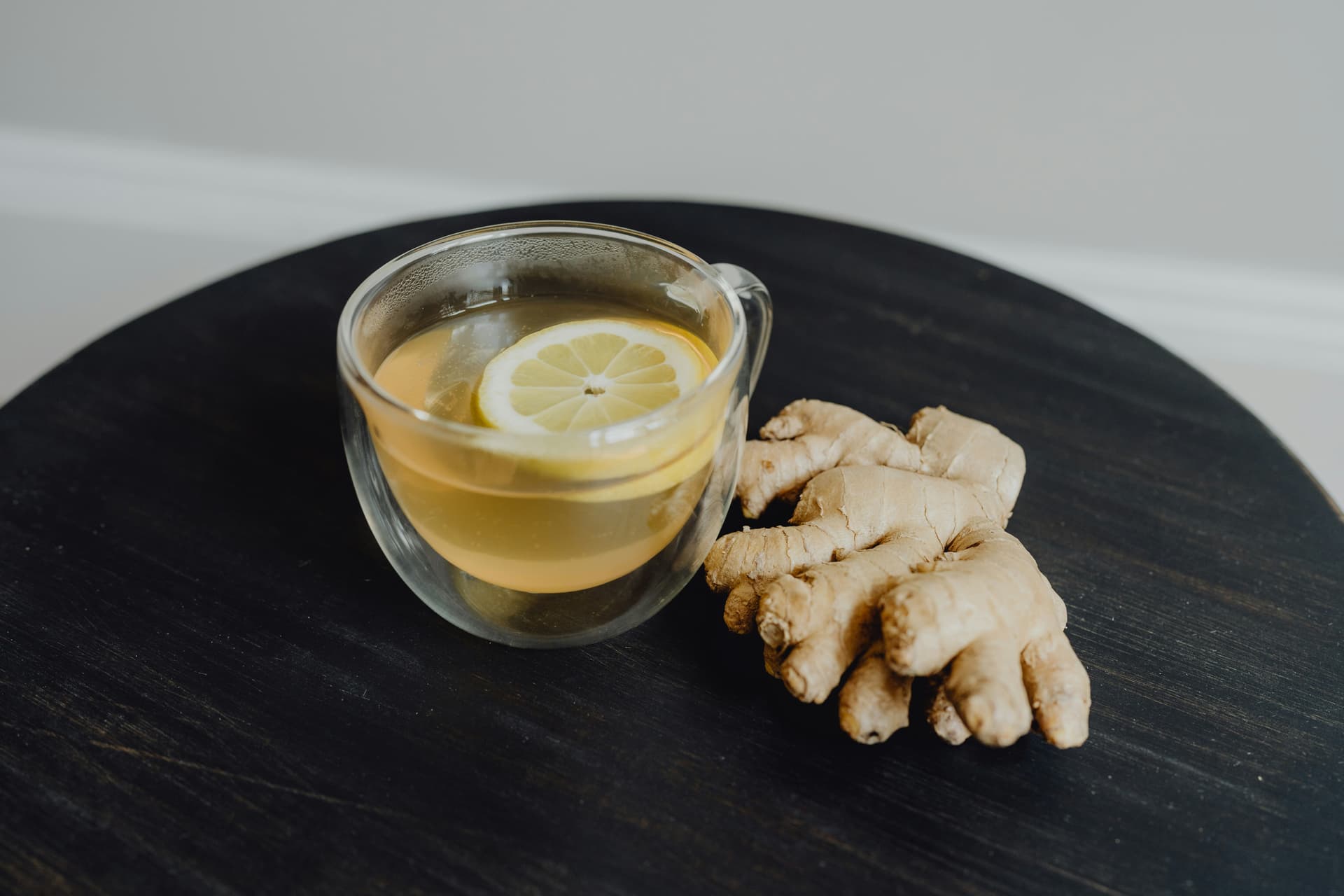 🍵 Tea & Drinks
Oct 10, 2026 · 5 min read
Ginger Tea Benefits and a Fresh Ginger Recipe
Fresh ginger makes a fragrant, peppery drink with just water and a saucepan. Here is a two-cup method, useful flavour adjustments and an honest look at the evidence.
 🍵 Tea & DrinksComplete guide
Oct 10, 2026 · 6 min read
Healthy Drinks Besides Water: Tea, Kahwa and Smoothies
Some drinks are for thirst, some for a quiet tea break, and some are part of breakfast. Here is how to choose without buying into a miracle ingredient.