
Five calmer mornings start with a freezer pack
A freezer pack removes the chopping and measuring from breakfast. Build a few flavours you look forward to, without filling every shelf.
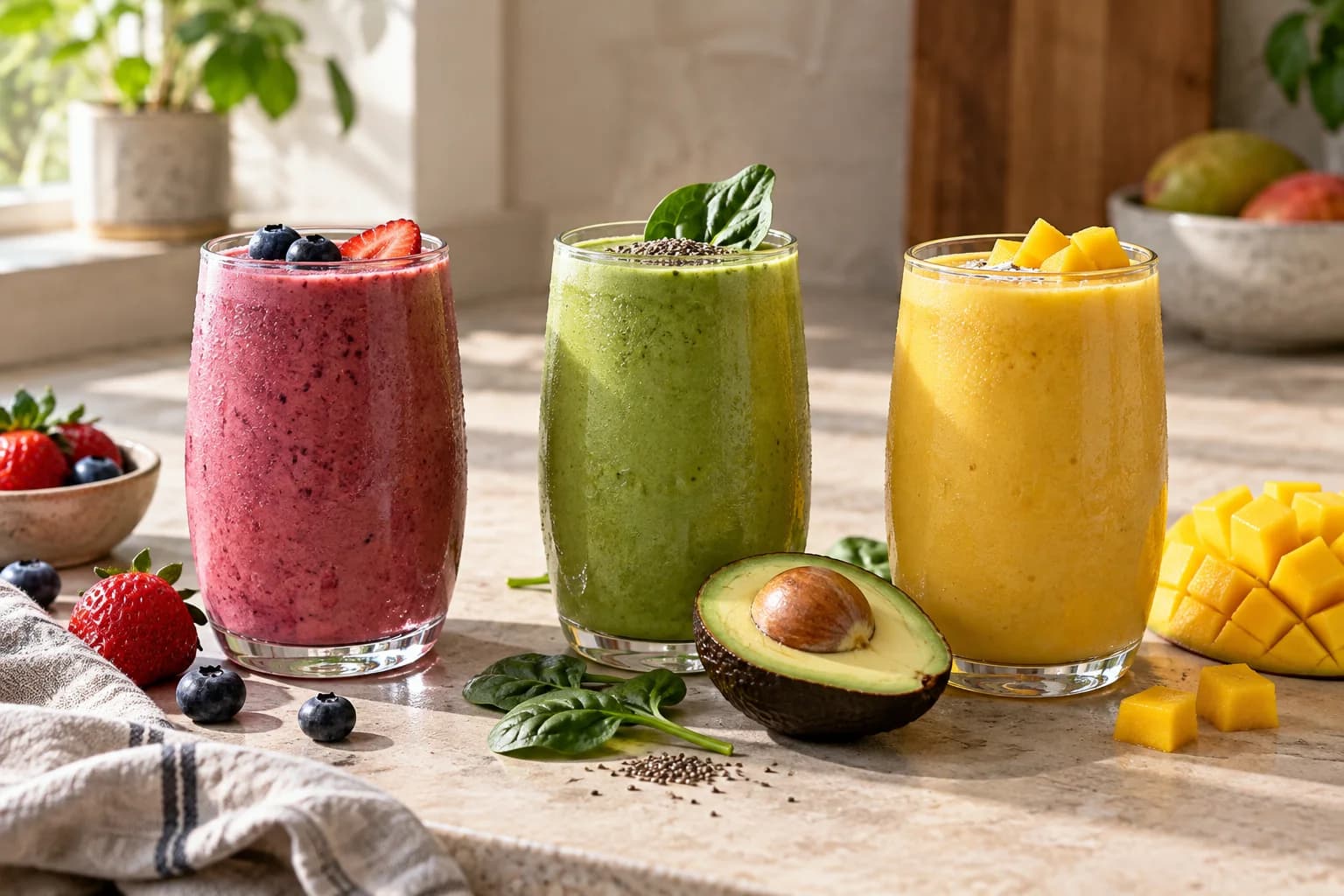
Quick answer: To make smoothie freezer packs, portion prepared fruit and suitable greens into labelled freezer-safe containers. Keep milk and yogurt separate to add when blending. Freeze the packs flat and start with a small batch; the planner scales ingredients and separates pack-now items from blend-day ingredients.
Key takeaways
- Try a flavour once before making a week of it.
- Write the name, date and blend-day additions on each pack.
- Keep fruit in small pieces so the blender can handle it.
- A one-to-two-month target is about quality, not a universal expiry date.
What a freezer pack actually saves
The useful part is not a freezer full of matching bags. It is removing the small morning decisions: which fruit, how much, and whether there is anything left in the fridge. A pack gives you a ready portion while leaving the liquid and finishing ingredients flexible.
Begin with two or three packs. If you dislike a flavour fresh, freezing seven portions will not make it more appealing. Blend one trial serving, note how much liquid your machine needs, and then scale that version. The freezer-pack planner starts with a five-pack mix that you can change or clear.
Four pack combinations
Each row is a starting point for one smoothie. Fruit weights refer to edible pieces after peeling or trimming. Add liquid gradually and adjust to your blender.
| Flavour | Put in the pack | Add when blending |
|---|---|---|
| Berry oat | 100 g berries + 60 g banana + 20 g oats | 200 ml milk or an alternative |
| Mango green | 100 g mango + 60 g banana + 25 g spinach | 200 ml milk or an alternative |
| Strawberry vanilla | 150 g strawberries + 60 g banana | 100 g yogurt + 150 ml milk; vanilla to taste |
| Pineapple lime | 120 g pineapple + 80 g mango | 180 ml water; lime to taste |
Prepare the produce before you pack
Work with clean hands, utensils and containers. Wash fresh produce under running water and dry it before cutting. Follow ready-to-eat labels for pre-washed greens. The FDA’s produce preparation guidance explains washing and separation from raw animal foods.
Peel bananas, remove mango stones and cut large fruit into manageable pieces. If loose fruit freezes into a solid block, your blender may struggle. Spread fresh pieces on a tray first if you have room, then transfer them to packs once firm. Use freezer-safe bags or containers, removing excess air where practical.
For purchased frozen fruit or vegetables, read the preparation directions. A frozen product is not automatically ready to eat uncooked. If cooking is required, follow those directions and cool the food appropriately before preparing packs.
Label for the person who is half awake
A useful label has the flavour, the packing date and the additions: for example, ‘Berry oat — add 200 ml milk’. Include any ingredients that matter for household allergies. If several people use the freezer, a name is more useful than assuming everyone recognises a bag of pale fruit.
Freeze packs flat so they stack and are easier to separate. Put older packs at the front. For a regular home routine, using them within one to two months is a practical quality goal; freezer packaging and ingredients affect flavour and texture. It is not a validated safety deadline for every smoothie mix.
On the morning you blend
Add the measured liquid to an upright jug first unless your machine’s instructions say otherwise. Add the pack in pieces, then blend until smooth. If it will not circulate, stop and add a small splash of liquid; do not keep running a struggling motor.
Milk and yogurt stay in the fridge until needed. Keep the freezer packs frozen until use, and plan only the portions you will actually drink. For a pre-blended drink you want to carry to work, use the smoothie storage guide. If the shopping list feels too ambitious, the budget guide shows how to reuse a small ingredient basket.
Put it into practice
Sources & further reading
Sources support the guidance noted below. Recipe combinations and texture suggestions are editorial starting points.
- FDA: Selecting and serving produce safely
Produce washing and handling.
- FoodSafety.gov: Cold food storage
Freezer temperatures and the distinction between quality and safety.
Recipes to explore
 Protein30g protein
Strawberry Banana Protein Smoothie
Cottage cheese is the secret. It blends invisible and pushes this classic to 30g protein without a scoop of anything.
- 30g complete protein from dairy
- Casein in cottage cheese digests slowly for lasting fullness
 Breakfast26g protein
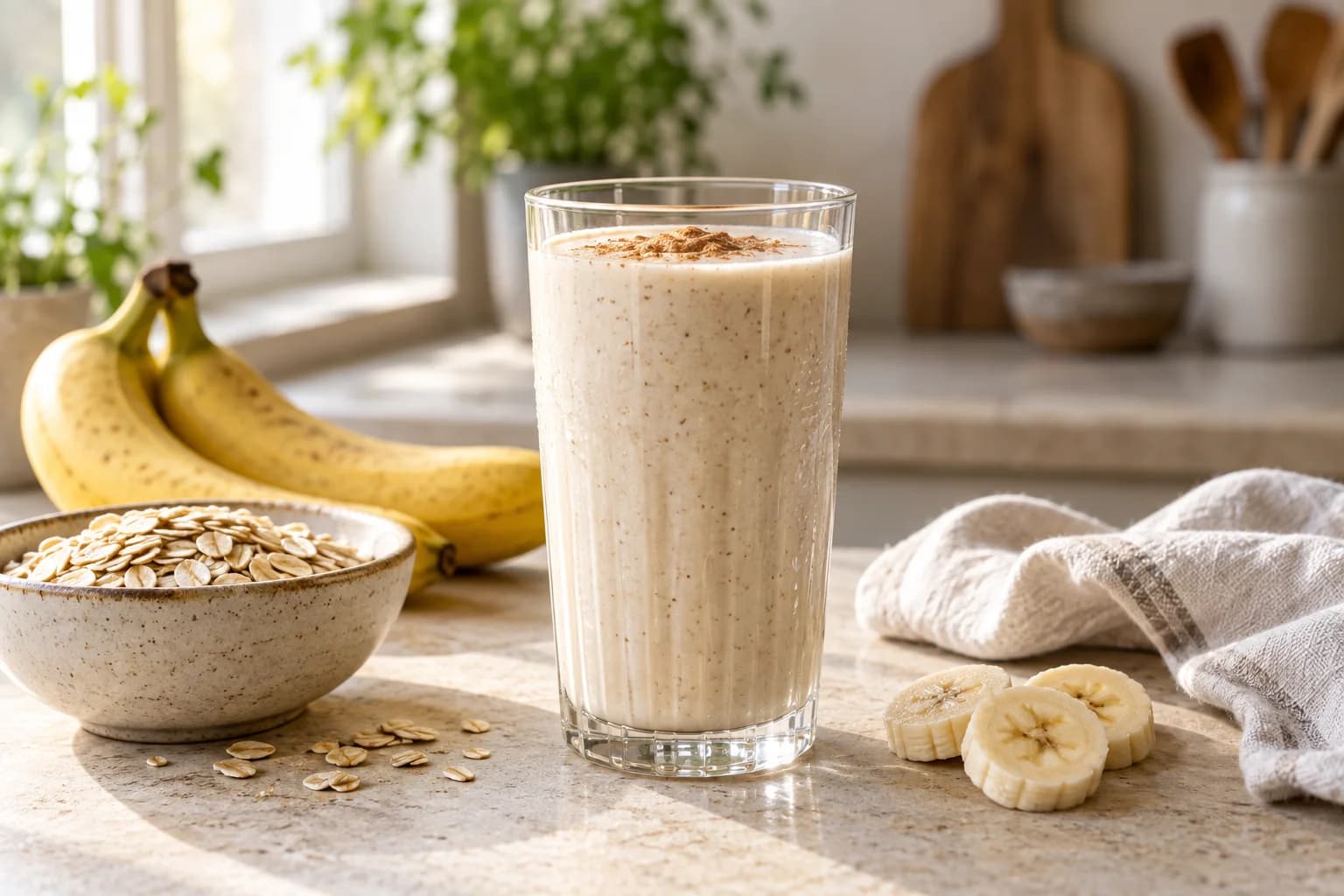
Overnight Oats Breakfast Smoothie
Soften oats overnight, then blend with banana, peanut butter and cinnamon. A creamy breakfast idea with estimated nutrition per serving.
- Soaking softens the oats before blending
- Banana and cinnamon give a familiar breakfast flavour
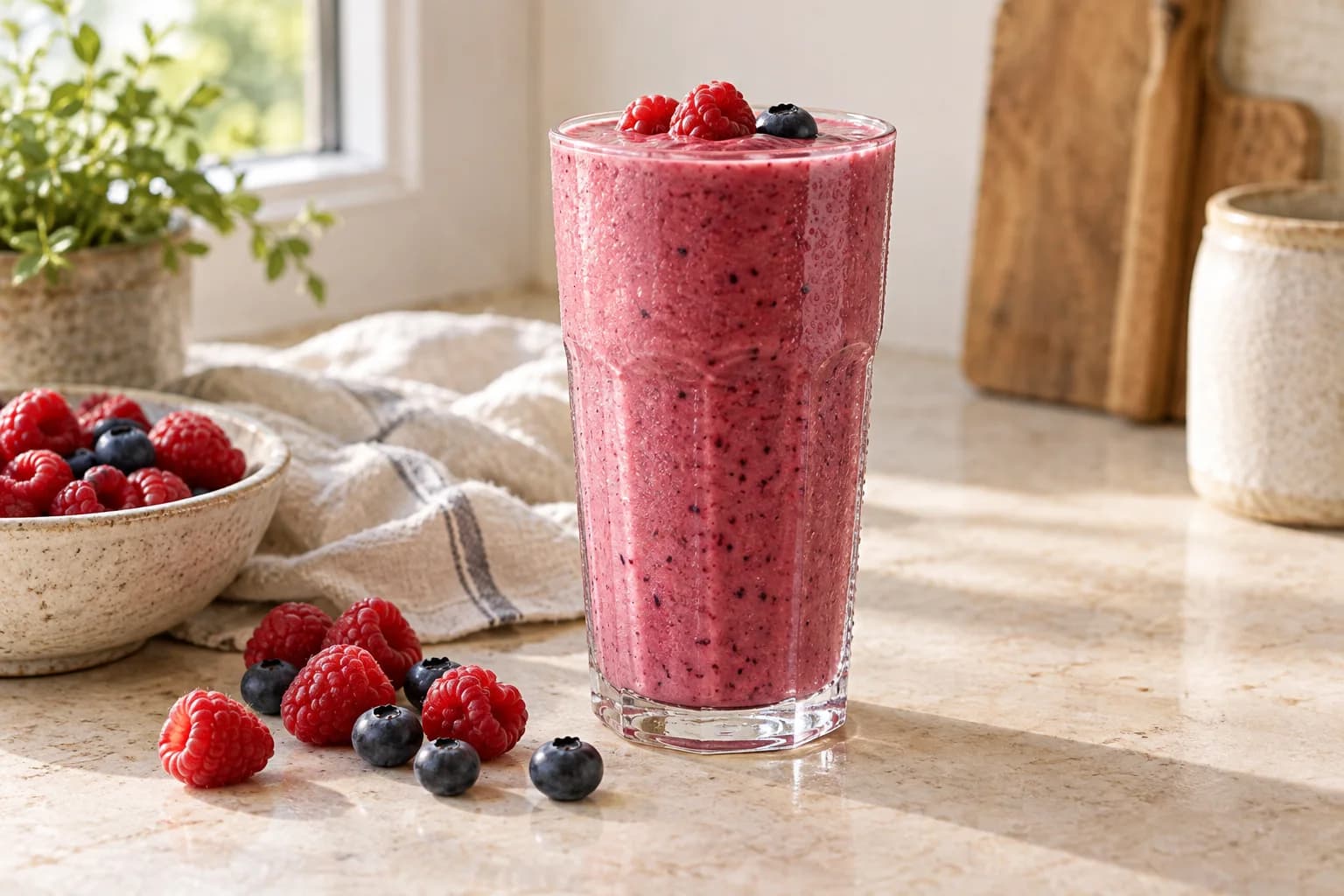
Breakfast21.1g proteinRaspberry Oat Fibre Smoothie
Tart raspberries, oats and plain Greek yogurt make a spoon-creamy smoothie with about 10 g fibre. Includes blending cues and a thinner-texture option.
- About 10 g fibre from raspberries and oats
- Approximately 21 g protein with the listed yogurt
Frequently asked questions
You can freeze suitable liquids in freezer-safe containers, but a large solid block is harder to blend. This planner keeps liquids separate for simpler portioning and loading.
Keep reading
🥭 BreakfastSep 29, 2026 · 4 min read
How Long Do Smoothies Last? Storage and Prep Guide
A covered jar helps with convenience, but time and temperature matter more than a perfect-looking lid. Here is how to plan ahead sensibly.
🥭 BreakfastSep 29, 2026 · 4 min read
Budget Smoothies: A Small Basket, Five Breakfasts
Keep the flavour, simplify the shopping. A practical way to make more of the fruit, oats and yogurt you already buy.
🥭 BreakfastSep 29, 2026 · 4 min read
Oats in Smoothies: Amounts, Soaking and Texture
A little oats can give breakfast a lovely body. Too much can turn the whole glass into paste. Here is a sensible starting point.