
Good smoothies do not need a specialist shopping list
Keep the flavour, simplify the shopping. A practical way to make more of the fruit, oats and yogurt you already buy.
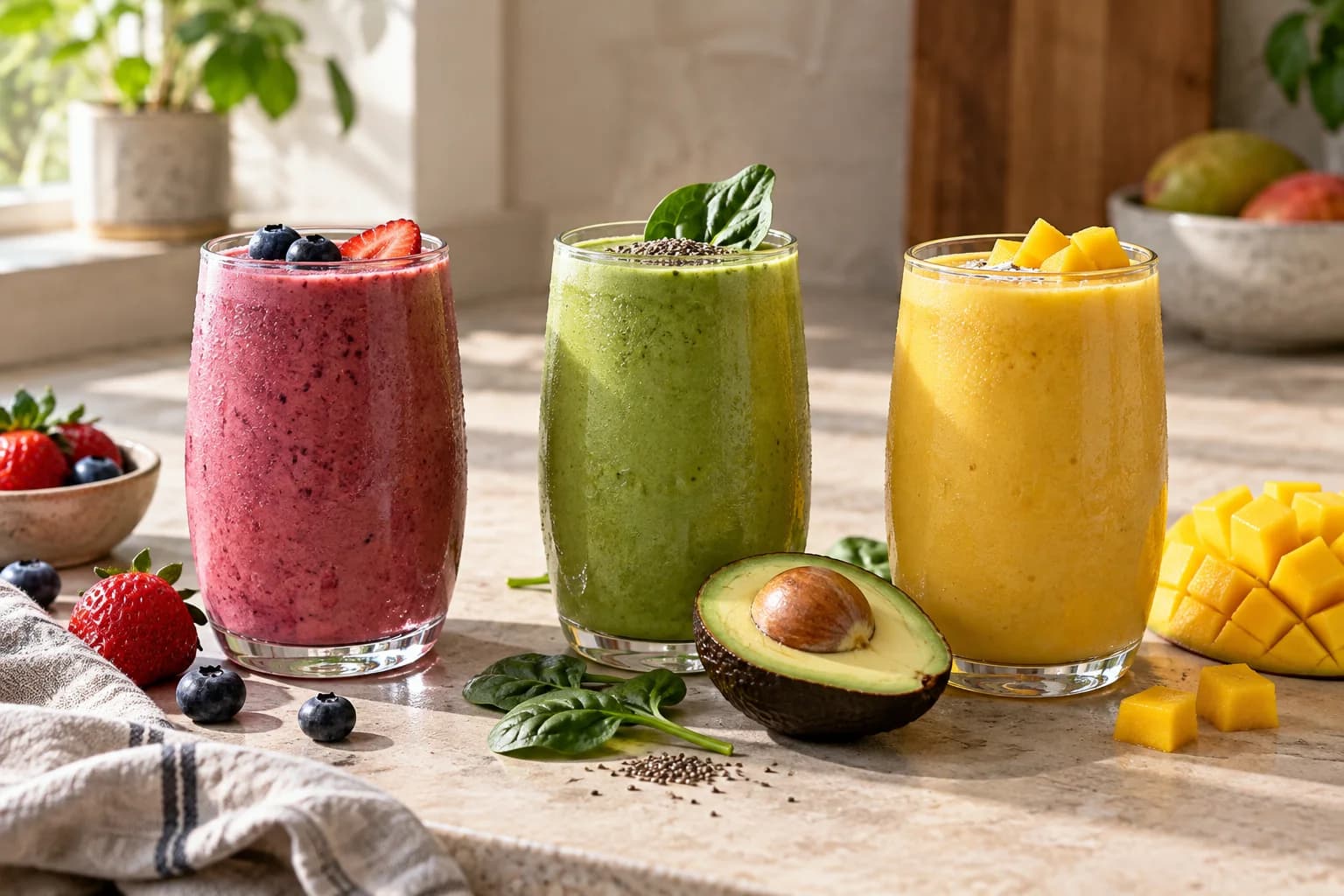
Quick answer: For budget smoothies, reuse a small set of ingredients across several blends: bananas, one bag of frozen fruit, plain yogurt or a suitable alternative, milk and oats. Compare unit prices, measure portions and freeze suitable fruit before it goes to waste. Local prices determine the actual cost.
Key takeaways
- Compare cost per kilogram or litre, not just pack price.
- Use one fruit basket across several flavours.
- Buy for the portions you will realistically use.
- Cocoa, cinnamon or citrus can vary flavour without a new bag of fruit.
Start with ingredients that have another job
A bag of oats can become porridge, overnight oats or a smoothie. Plain yogurt can be breakfast, a sauce or a spoonful alongside fruit. An expensive ingredient used once and forgotten is usually less useful than something ordinary that appears in several meals.
Choose one frozen fruit you enjoy, a few bananas, a base and a liquid that suit your diet. Add only one or two flavour accents you already use. You can create variety through proportions and seasoning instead of buying a different fruit for every day.
A five-smoothie shopping basket
This basket is an example, not a fixed-price promise. Prices change by location, season and pack size. Quantities below cover the five blends in the next section, with water used for one lighter fruit blend.
| Ingredient | Amount used | Buying note |
|---|---|---|
| Peeled banana | 400 g | Buy by edible portion and freeze extras if suitable |
| Frozen mixed berries | 500 g | Choose a bag you can use; follow preparation directions |
| Plain yogurt | 450 g | Use the rest of the tub in other meals |
| Milk or alternative | 800 ml | Choose a carton you already drink |
| Rolled oats | 60 g | The same oats can make porridge |
| Cocoa / cinnamon | 5 g cocoa; pinch of cinnamon | Optional pantry accents |
Five blends from that basket
These are starting recipes for one drink each, not identical meals. Appetite, nutritional needs and other foods vary. For an upright blender, load liquid first and add small splashes if the ingredients will not circulate.
- Monday, berry classic: 100 g berries + 100 g banana + 100 g yogurt + 180 ml milk.
- Tuesday, oat cinnamon: 100 g banana + 30 g oats + 100 g yogurt + 220 ml milk + a pinch of cinnamon.
- Wednesday, bright berry: 150 g berries + 50 g banana + 150 g yogurt + 180 ml milk.
- Thursday, cocoa oat: 100 g banana + 30 g oats + 100 g yogurt + 220 ml milk + 5 g cocoa.
- Friday, lighter fruit blend: 250 g berries + 50 g banana + 180 ml water. Pair with other breakfast food if you want something more substantial.
Compare the cost you will actually use
Use the shelf’s unit price where available. A larger bag with a lower price per kilogram only helps if you have space and will finish it. For fresh fruit with peel or stones, the edible amount is less than the purchased weight, so a frozen prepared option may be closer in cost than it first appears.
For a rough recipe cost, multiply the pack price by the fraction you use. If a 1 kg bag costs 8 in your local currency, a 100 g portion costs 0.80. Repeat for the base, liquid and extras. This is an illustration of the arithmetic, not a current retail price. Add toppings and protein powder if you use them.
Reduce the waste before chasing a cheaper recipe
Freeze suitable peeled fruit in manageable portions while it is still good to use. Label opened bags, check what is already in the freezer and plan around it. Skip produce that has spoiled; freezing does not repair poor handling or reverse spoilage.
The freezer-pack planner combines shared ingredients so you can see the whole shop at once. For substitutions, use the swap finder. And if your inexpensive oat smoothie feels gritty, the oats guide explains how hydration can help without adding another ingredient.
Put it into practice
Missing an ingredient?
Find your next-best match
Choose an ingredient · Set your preferences
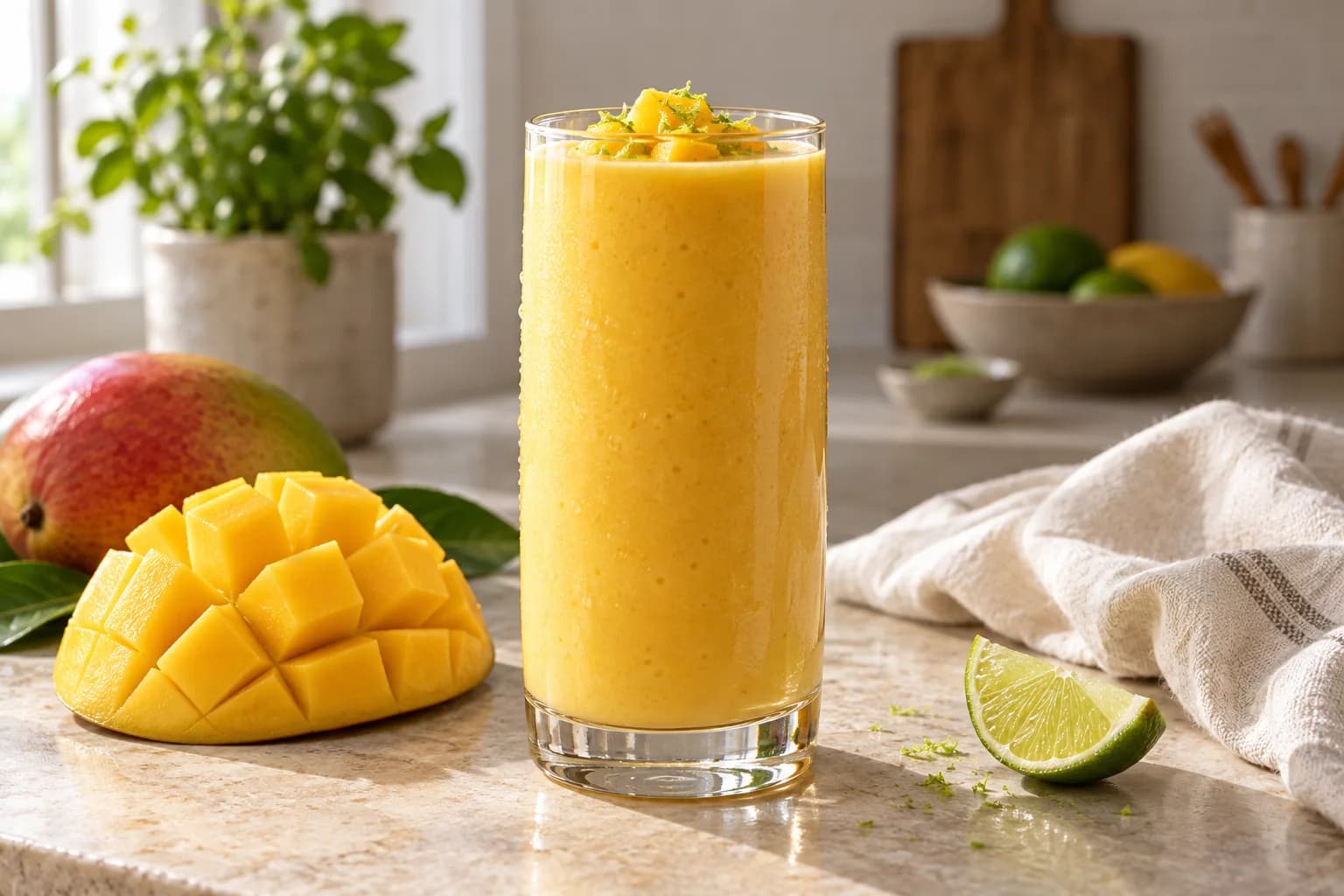
Ingredient Swap Finder
Missing a banana, yogurt or milk? Find a practical replacement with a starting amount.
Find my ingredient swapPrep once blend all week
Batch quantities · Freezer labels · Packing order
Freezer Pack Planner
Choose a blend, scale the batch and get a prep list plus blending-day instructions.
Plan my freezer packsRecipes to explore
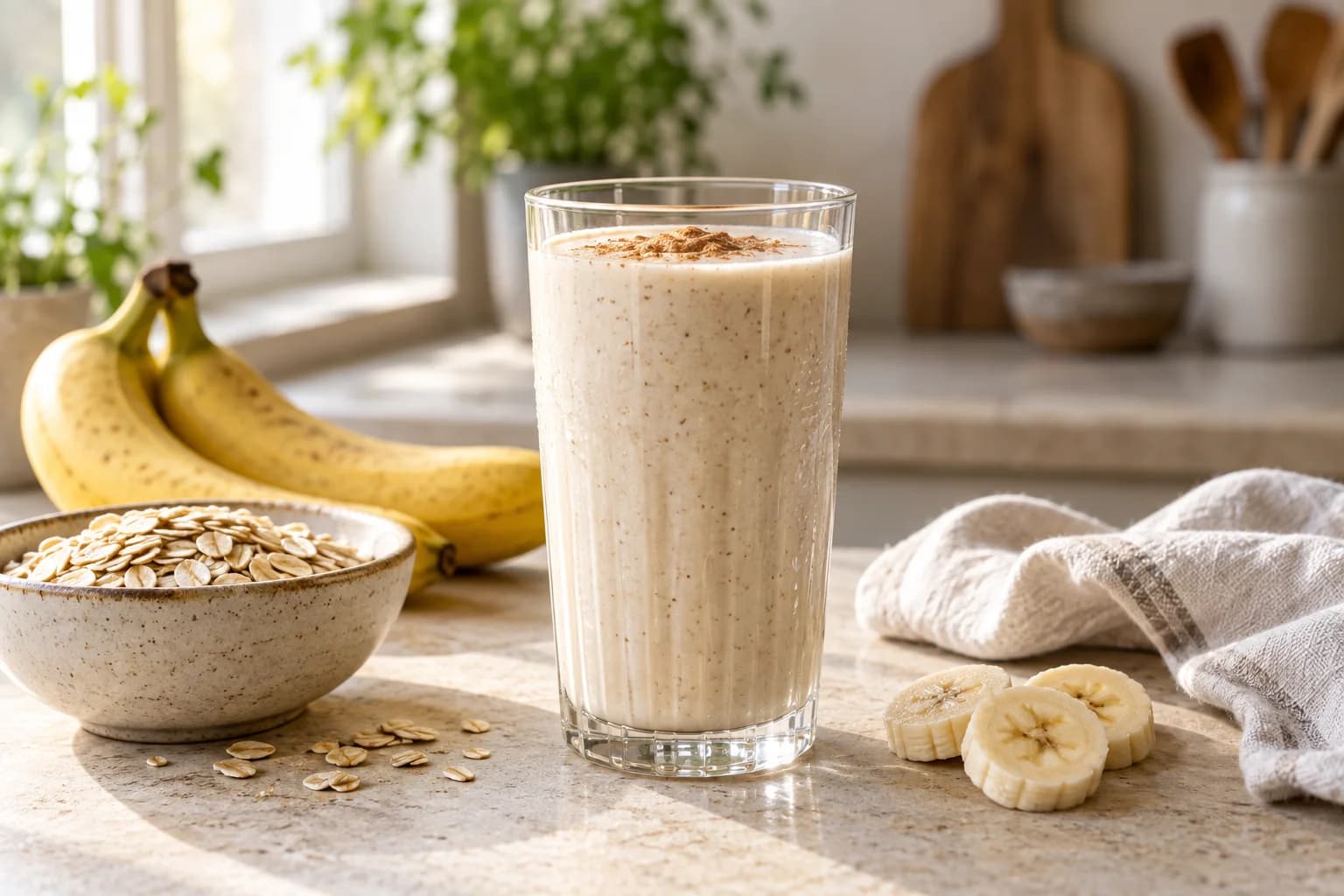 Breakfast26g protein
Overnight Oats Breakfast Smoothie
Soften oats overnight, then blend with banana, peanut butter and cinnamon. A creamy breakfast idea with estimated nutrition per serving.
- Soaking softens the oats before blending
- Banana and cinnamon give a familiar breakfast flavour
 Protein30g protein
Strawberry Banana Protein Smoothie
Cottage cheese is the secret. It blends invisible and pushes this classic to 30g protein without a scoop of anything.
- 30g complete protein from dairy
- Casein in cottage cheese digests slowly for lasting fullness
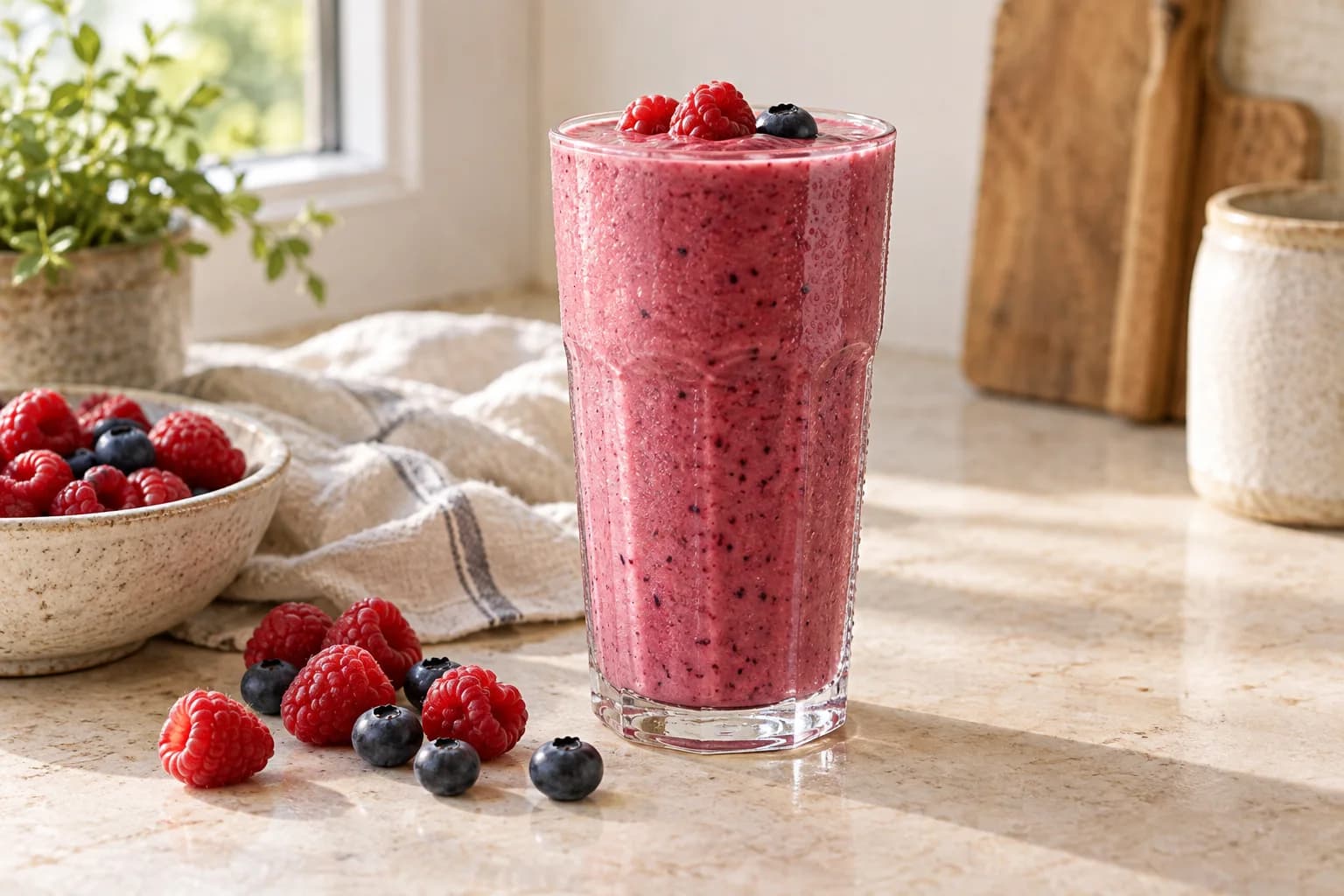
Breakfast21.1g proteinRaspberry Oat Fibre Smoothie
Tart raspberries, oats and plain Greek yogurt make a spoon-creamy smoothie with about 10 g fibre. Includes blending cues and a thinner-texture option.
- About 10 g fibre from raspberries and oats
- Approximately 21 g protein with the listed yogurt
Frequently asked questions
No. Compare local unit prices and the amount you will use. Frozen berries can make portioning easier, but a seasonal fresh option may cost less.
Keep reading
🥭 BreakfastSep 29, 2026 · 4 min read
Smoothie Freezer Packs: Prep Five Easier Mornings
A freezer pack removes the chopping and measuring from breakfast. Build a few flavours you look forward to, without filling every shelf.
 🥭 Breakfast
Sep 29, 2026 · 4 min read
Smoothies Without Yogurt: A Creamy, Flexible Guide
Use what is already in your kitchen, with simple swaps that account for taste, thickness and protein.
🥭 BreakfastSep 29, 2026 · 4 min read
Oats in Smoothies: Amounts, Soaking and Texture
A little oats can give breakfast a lovely body. Too much can turn the whole glass into paste. Here is a sensible starting point.