
No yogurt? You can still make a lovely smoothie.
Use what is already in your kitchen, with simple swaps that account for taste, thickness and protein.
Quick answer: To make a smoothie without yogurt, use silken tofu or a thick plant yogurt in a similar starting amount, or use a smaller amount of avocado or soaked oats for body. Hold back some liquid, blend and adjust. These alternatives do not all provide the same protein or flavour.
Key takeaways
- Yogurt provides body and tang; decide which you want to replace.
- Silken tofu is a mild alternative, but contains soy.
- Coconut yogurt may provide creaminess with little protein.
- Lactose-free dairy yogurt still contains milk proteins.
First, decide why you are replacing yogurt
An empty tub, a dislike of tang and a milk allergy call for different solutions. If you simply ran out, another dairy ingredient may be convenient. If you are avoiding milk, changing to lactose-free yogurt does not solve that need. Keep the reason for the swap in view as you choose.
A recipe built around yogurt may also rely on it for protein. Removing it changes the drink even if the finished texture looks similar. You do not need a particular protein number for every snack, but it helps to understand what changed when a smoothie is part of breakfast.
Useful yogurt replacements, at a glance
Use these as alternatives to about 150 g plain yogurt. Start with less liquid than the original recipe calls for; it is much easier to thin a blend than to undo extra liquid.
| Ingredient | Starting amount | Texture and flavour |
|---|---|---|
| Silken tofu | 150 g | Smooth and mild; contains soy |
| Plain plant yogurt | 120–150 g | Thickness and protein vary |
| Avocado | 40–60 g | Rich body, very little sweetness |
| Rolled oats | 20 g, softened in liquid | Mellow, less tangy; thickens as it rests |
| Cottage cheese | 100–150 g | Creamy when blended; still dairy |
Three combinations that work without yogurt
Each is a flexible single-smoothie formula. Blend until smooth, stopping if the motor struggles. Use cold ingredients, and follow package directions for any frozen produce. The smoothie ratio guide explains loading and final adjustments.
Mango and silken tofu
Use 150 g mango, 150 g silken tofu and 150–180 ml unsweetened soy milk. Add lime to taste after blending. Choose silken tofu for a smoother finish; firm tofu can leave a more noticeable bean flavour and grainy texture.
Berry oat
Soften 25 g rolled oats in 200 ml milk or a suitable alternative for 10 minutes. Add 150 g berries and 60 g banana, then blend. The oats supply body and the banana softens the tartness. This blend becomes thicker if it sits.
Cocoa avocado
Use 50 g avocado, 100 g ripe banana, 5 g cocoa and 200 ml milk or a suitable alternative. Blend the liquid and avocado first if your machine leaves lumps. Taste before adding sweetener. For a banana-free version, see the banana substitute guide.
Read the replacement’s label
Plant yogurts can be based on soy, coconut, oats, almonds or mixtures. Two plain-looking tubs can have very different ingredient lists and amounts of protein. Look at the portion you will use, not just the large front-of-pack wording. Sweetened vanilla yogurt will change the flavour more than a plain one.
If allergies matter, check the specific product, including manufacturing information. The swap finder removes listed ingredients such as milk, soy and tree nuts, but cannot establish whether a packaged product suits your requirements. It also distinguishes coconut so you can exclude it separately.
Fix the texture after the swap
A drink that becomes thin probably lost some of the yogurt’s body. Try a small spoonful of avocado or a little frozen fruit, rather than adding three new thickeners. A blend that becomes gluey may have too much soaked grain or too little liquid; add the liquid back gradually.
Yogurt also adds acidity. If the replacement makes the drink taste flat, test a few drops of lemon in a small sample. If the fruit is already tart, skip that adjustment. A smoothie should suit your palate; there is no requirement to recreate a tangy flavour you did not enjoy in the first place.
Put it into practice
Recipes to explore
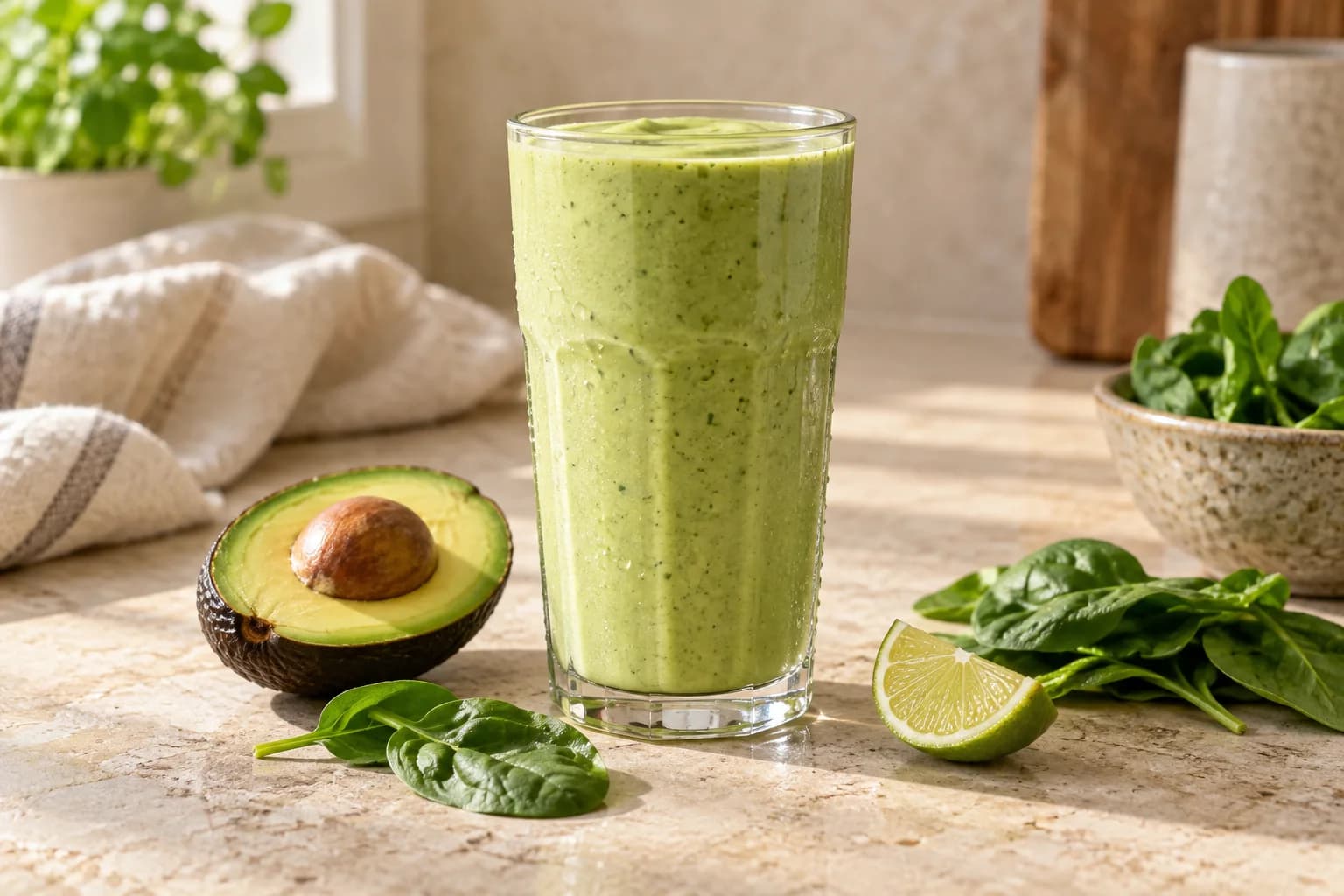
Greens8g proteinCreamy Avocado Spinach Green Smoothie
Avocado makes it silky, pear makes it sweet, lime makes it bright. This is the green smoothie that converts skeptics.
- Monounsaturated fat keeps you full and helps absorb vitamins A, E and K
- Only 14g sugar
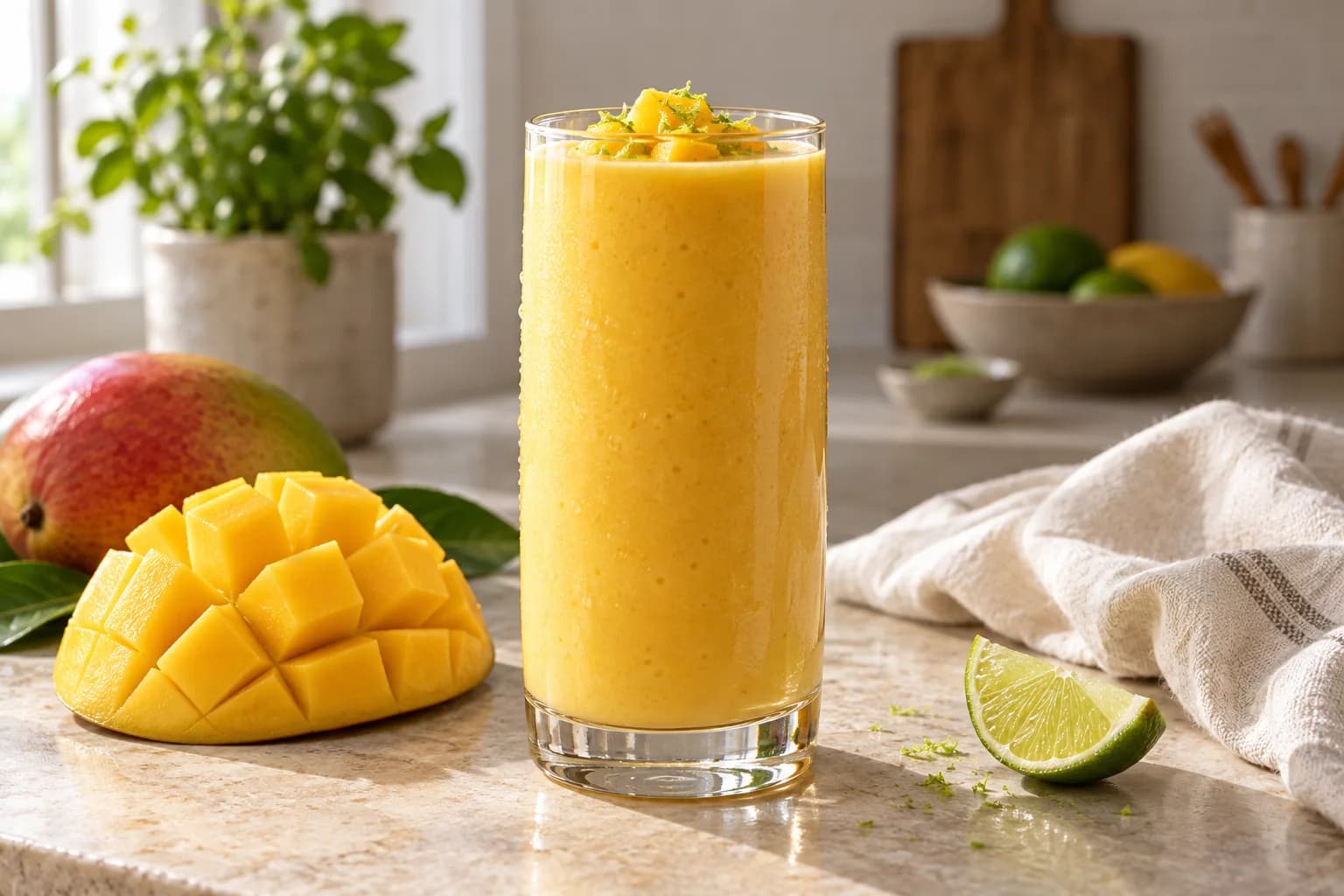 Protein28g protein
Mango Protein Smoothie
Frozen mango, Greek yogurt and vanilla protein with a squeeze of lime. Tastes like a mango lassi, works like a recovery shake.
- 28g protein for muscle recovery and fullness
- Vitamin A and C from mango
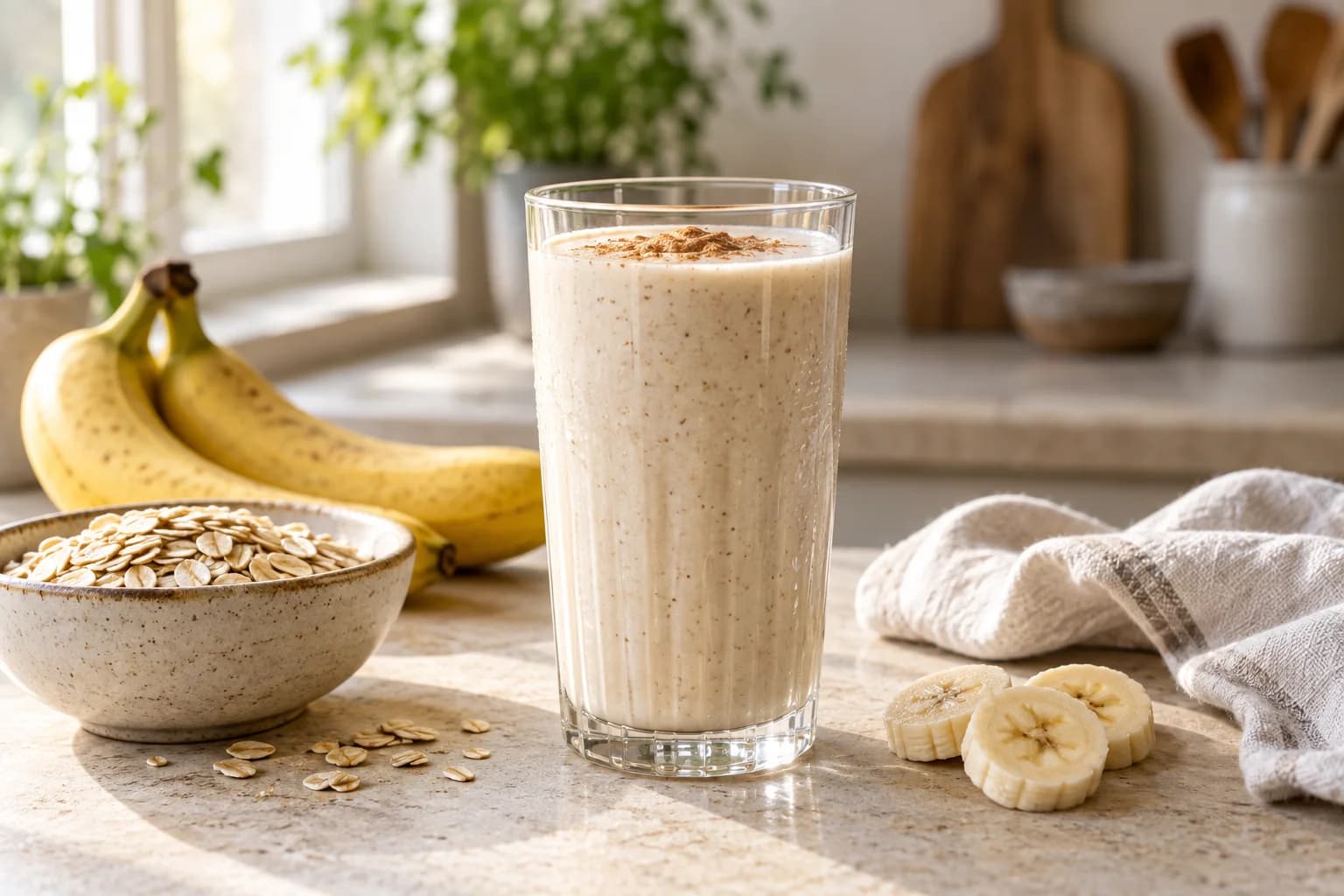 Breakfast21.1g protein
Raspberry Oat Fibre Smoothie
Tart raspberries, oats and plain Greek yogurt make a spoon-creamy smoothie with about 10 g fibre. Includes blending cues and a thinner-texture option.
- About 10 g fibre from raspberries and oats
- Approximately 21 g protein with the listed yogurt
Frequently asked questions
Sometimes. Start with less liquid and check whether the other fruit or creamy ingredients provide enough body. The drink’s nutrition will also change.
Keep reading
 🥭 Breakfast
Sep 29, 2026 · 4 min read
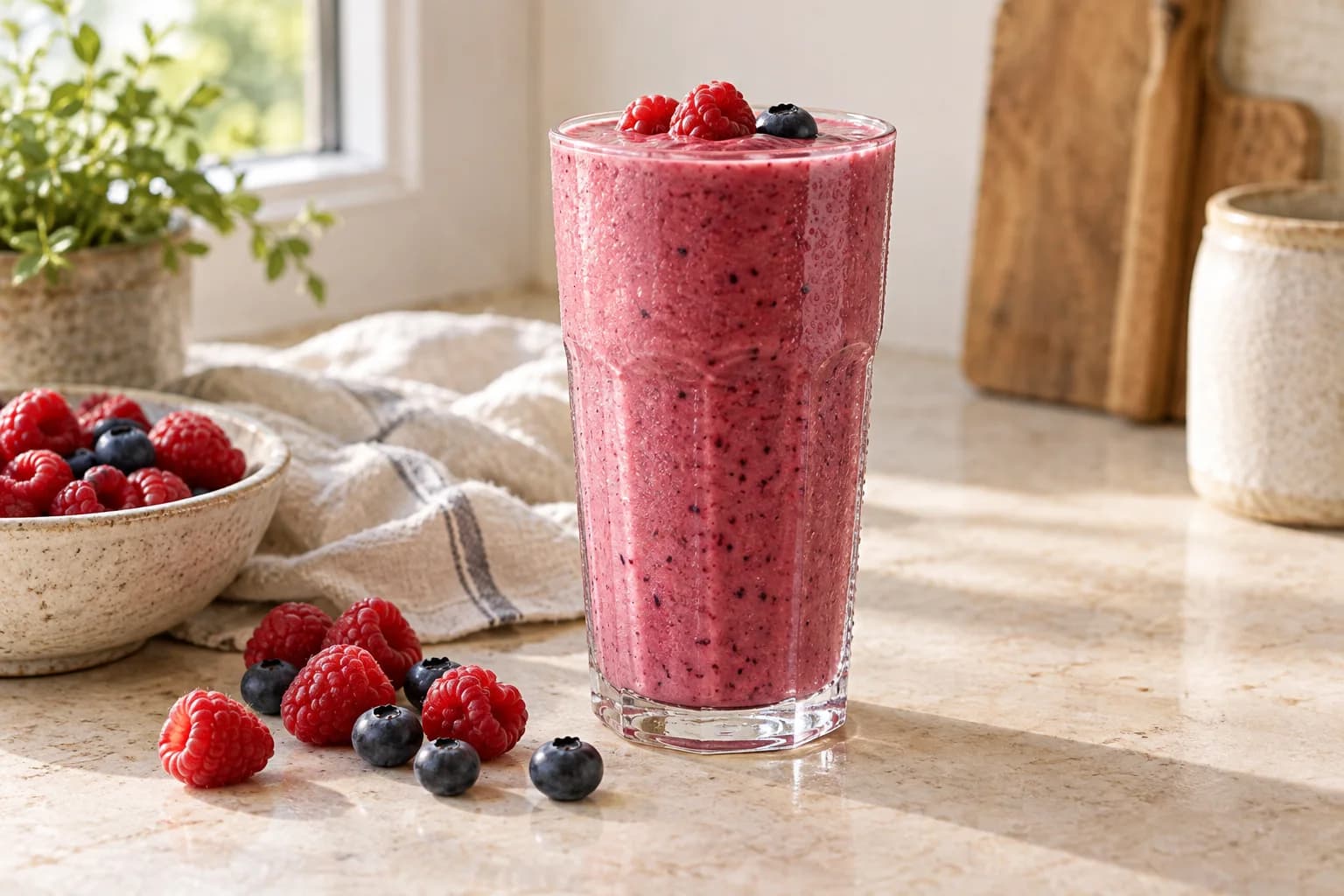
Smoothies Without Banana: Creamy Swaps and 4 Blends
Banana is useful, but it can take over every glass. Here’s how to get body and balance from other ingredients.
 🥭 Breakfast
Sep 29, 2026 · 4 min read
Oats in Smoothies: Amounts, Soaking and Texture
A little oats can give breakfast a lovely body. Too much can turn the whole glass into paste. Here is a sensible starting point.
🥭 BreakfastComplete guideSep 29, 2026 · 4 min read
How to Make a Smoothie: A Flexible Ratio Guide
A good smoothie should work with your fridge, your blender and your morning. Start here, then adjust one small thing at a time.